CURRENT PROJECT
ARTPEACE
Grassroots cultural and creative practices for conflict transformation in Europe and beyond
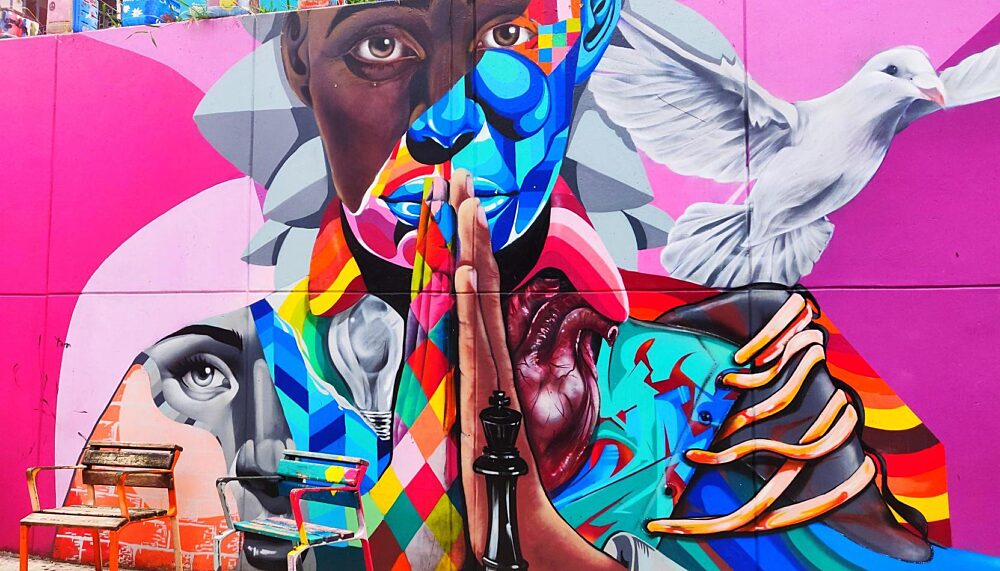
The EU-funded research project ARTPEACE explores the transformative role of arts and culture in fostering sustainable and just peace across Europe and its neighbouring regions.
Timeframe: 2026 - 2029
ARTPEACE investigates how grassroots artistic and cultural practices can advance conflict transformation and peacebuilding in conflict-affected and post-conflict societies in Southern and Western Europe, the Eastern Partnership, the Western Balkans and the Middle East. ARTPEACE unpacks how identity, curation, education, and emerging technologies impact the contributions of arts and culture to the creation of peaceful social orders.
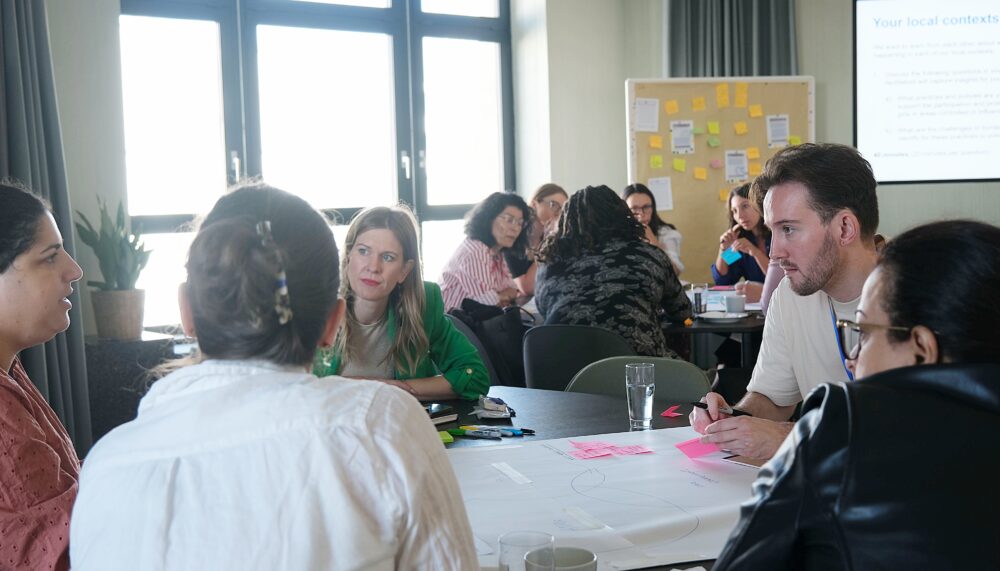
The project brings together an international and interdisciplinary consortium of nine institutions, including scholars in the fields of International Relations, Peace Studies, History, Education, Technology, Critical Heritage Studies and Museology, as well as activists and practitioners from the arts, cultural, youth, feminist and justice sectors.
ARTPEACE will generate innovative and impactful artistic contributions to European cultural heritage through collaborative artmaking, digital archiving, peer-learning, and multi-stakeholder labs. The project consortium will create pioneering toolkits for practitioners, educators, and policymakers. Ultimately, the initiative seeks to embed grassroots, arts-based peacebuilding as a meaningful and influential pillar of European foreign and security policy.
Over three years, the consortium will receive EUR 4 million funding from the European Union’s Horizon Europe Framework Programme.
Background
Peace is not only negotiated around diplomatic tables: it is imagined, contested, legitimised, and sustained through culture, memory, heritage, and the arts. Despite decades of investment in peace agreements, formal negotiations, and peace interventions, many recent peace processes have failed to deliver lasting peace and justice. Formal venues increasingly have struggled to secure legitimacy or sustainability. By contrast, innovative visions of peace and alternative models of just social order are often imagined and practiced in galleries, museums, performance spaces, and streets. While culture and heritage can be manipulated to polarise societies and entrench exclusionary political orders, they also hold unique potential to heal, connect across conflict divides, and advance nonviolent change.
ARTPEACE investigates this double role of culture, and advances groundbreaking knowledge, practice, and policy guidance on how grassroots art can foster sustainable and just peace across Europe and its neighbouring regions. The project combines interdisciplinary research with practical outputs such as innovative and impactful artistic contributions to European cultural heritage through collaborative artmaking, digital archiving, peer-learning, and multi-stakeholder matchmaking, as well as related toolkits for practitioners, educators, and policymakers.
Objectives
- Enhance the capacity of grassroots artists to foster conflict prevention, peacemaking, reconciliation and social cohesion through collaborative artmaking, mutual learning, ethical curation, archiving and dissemination of peace imaginaries.
- Advance interdisciplinary knowledge among European policymakers and scholars on the role of grassroots arts in fostering peace in conflict-affected or post-conflict societies.
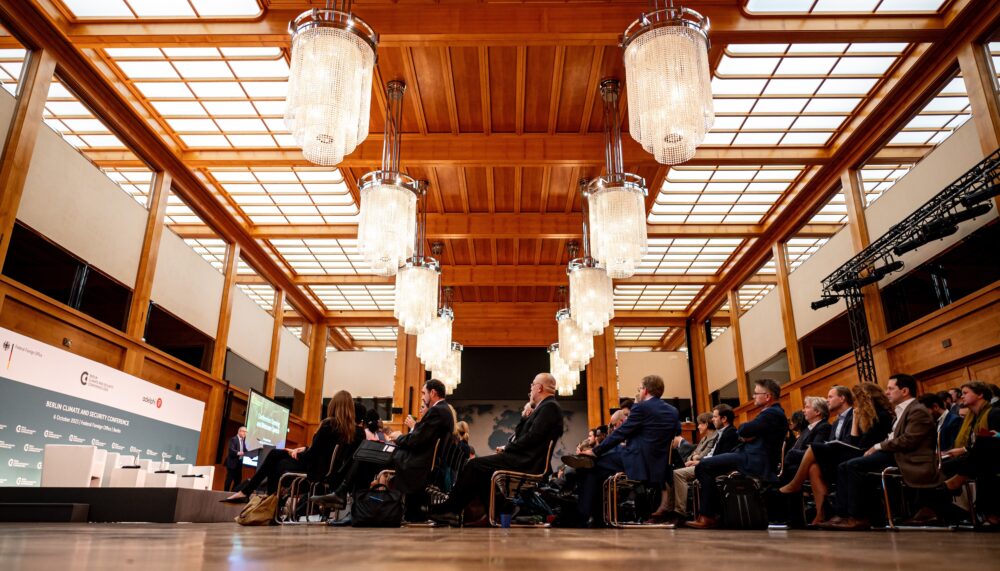
- Inform and influence EU foreign and security frameworks through bridge-building and mutual learning between European policymakers and ArtPeace practitioners, and by providing evidence-based guidance on the efficacy of integrating grassroots art-based peace activism into peacebuilding, diplomacy and security strategies.
Methodological approach
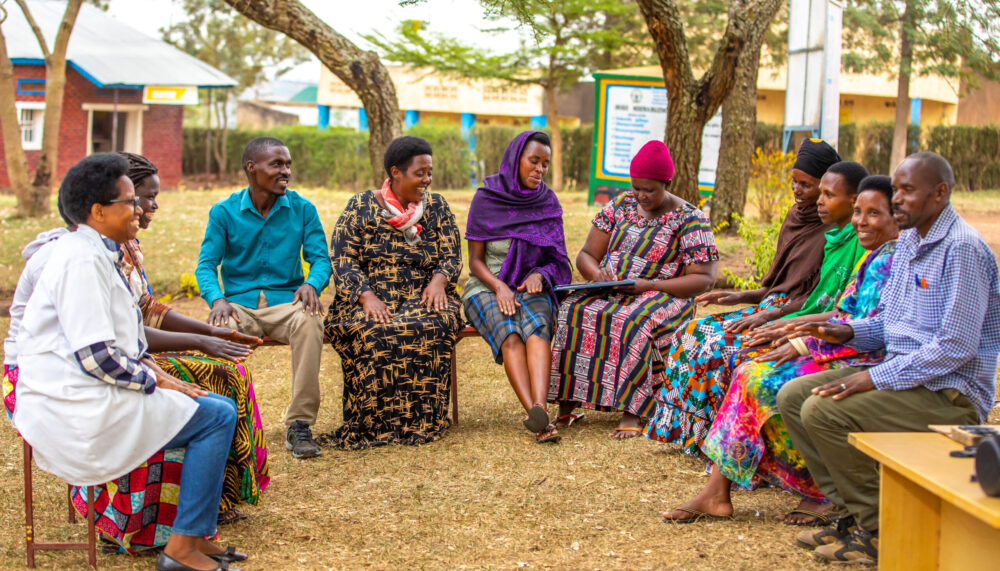
The distinctive methodological feature of ARTPEACE as a collaborative and participatory action research project is its emphasis on co-producing knowledge with grassroots artivists, curators, educators, and other local stakeholders, primarily in conflict-affected or post-conflict contexts. It builds on a multi-disciplinary and multi-method comparative approach to knowledge production that includes a combination of ethnographic fieldwork, technological arts-based research, archival and historical analysis, digital mapping, and stakeholder engagement.
To undertake rigorous, structured, focused and context-sensitive case study analysis, ARTPEACE compares situated creative peace practices and their political, security, pedagogical, and cultural impacts from selected countries in four regions. Participatory research fieldwork will be conducted in the following regions:
- Western and Southern Europe: Cyprus, Switzerland, Germany, Northern Ireland, Basque Country
- Eastern Europe and South Caucasus: Georgia, Ukraine
- Western Balkans: Bosnia-Herzegovina, Kosovo, Serbia
- Middle East: Lebanon, Israel, Palestine, Syria.
ARTPEACE Lab: Stakeholder engagement at regional and EU level
The Multi-Stakeholder Lab will serve as a participatory platform connecting policymakers, cultural leaders, and grassroots actors from four regions within and beyond the EU. Convened through thematic clusters, and moderated by relevant members of the consortium, the Lab will meet virtually to review and validate research, shape tool development and impact assessment models, and identify pathways to integrate ArtPeace into sustainable peacebuilding strategies. More than a dissemination tool, the Lab will function as a transversal mechanism for engagement, reflexivity, and influence, by:
- Creating pathways for mutual learning and horizontal knowledge exchange, especially among underrepresented voices,
- Cultivating transnational networks that link artists, educators, and activists with diplomatic, cultural, and policy actors,
- Promoting inclusive decision-making and context-driven policy reflection, grounded in practice-based evidence,
- Enhancing the legitimacy and impact of peace strategies that integrate arts, pedagogy, technology, and cultural heritage.
Partners & funding
Under the coordination of the Berghof Foundation, the project consortium consists of the following partner organisations:
- The University of Manchester (United Kingdom)
- In Place of War Company Limited by Guarantee (Ireland)
- Universidade do Porto (Portugal)
- University of Durham (United Kingdom)
- CYENS Center of Excellence (Cyprus)
- STAN (Ukraine)
- Youth Initiative for Human Rights (Kosovo)
- Asociation de Investigacion Por La Paz - Gernika Gogoratuz (Spain)
This project is funded by the European Commission’s Horizon Europe research and innovation programme under project number 101287381.

Project lead
Véronique Dudouet
Senior Advisor
email hidden; JavaScript is required
Team members
Rasmus Bellmer
Beatrix Austin
Lara Azzam
Anne Kruck
Maja Leo
Annett Rößling
Victor Vigil
Dhari Vij
Media contact
You can reach the press team at:
+49 (0) 177 7052758
email hidden; JavaScript is required