Welcome to our annual report. Scroll through to learn about our activities.
A word from our Executive Director
2025 was marked by increasingly protracted and complex conflicts, intertwined with climate pressures, economic hardship, technological change and geopolitical competition. Read about how we intensified our peacebuilding efforts despite growing pressure on international norms, multilateral institutions, and organisations working for peace.
Supporting Women, Peace and SecurityThe UN Security Council’s landmark resolution turns 25 this year.
As conflicts became more protracted and peace efforts more contested in 2025, women’s exclusion from formal negotiations remained one of the most obvious gaps in international peacemaking. The year marked the 25th anniversary of UN Security Council Resolution 1325 on Women, Peace and Security, which recognised women’s essential role in preventing and resolving conflict and called for their meaningful participation in peace and security decision-making processes.
To mark this milestone, our Executive Director Chris Coulter spoke at the United Nations Secretary-General's Common Pledge on Women's Participation in Peace Processes, raising awareness for the essential role of women in preventing violence, mediating disputes and shaping sustainable peace. Chris called on European governments and institutions to turn existing commitments into sustained political action. She stressed that women remain persistently excluded from formal peace negotiations, despite evidence that their meaningful participation contributes to more durable peace. Furthermore, she urged the EU and its member states to resource and implement their commitments, integrate the Women, Peace and Security agenda into crisis response, reconstruction and recovery processes, and provide direct, flexible support to women peacebuilders and organisations working in conflict-affected settings.
These calls resonate strongly with developments in the regions we work in. In the Horn of Africa, 2025 brought rising tensions that tested exactly the kind of inclusive, locally led approach our Executive Director described. Moreover, conflicts in Sudan, Ethiopia, and South Sudan, became increasingly interconnected, increasing the risk of a broader regional crisis. As our Horn of Africa programming has highlighted since 2024, preventing this scenario remains imperative. By addressing both local grievances and wider regional dynamics across the Horn of Africa and Red Sea region, we helped contain conflict spillovers, reduce the risk of escalation, and foster locally led pathways toward sustainable peace.
In Ethiopia, Tigray remained a particularly concerning flashpoint. The 2022 Cessation of Hostilities Agreement (CoHA) ended one of the deadliest conflicts of this century and established a framework for restoring relations between the Federal Government and the Tigray region. Three years on, however, slow implementation of key provisions had deepened divisions and increased the risk of renewed large-scale violence. In response, we expanded our support for locally led dialogue initiatives to address fragmentation and rebuild trust within the region. Through consultations with a broad range of stakeholders, these efforts reduced tensions and helped create more favourable conditions for continued CoHA implementation.
Featured ProjectSupporting multi-track dialogue in Ethiopia
We also continued our work in Ethiopia's largest regions, expanding dialogue support in Oromia and Amhara. In Oromia, the sustained intra-Oromo dialogue process we support brought together hundreds of influential stakeholders to build consensus around recommendations on key drivers of the self-determination conflict. In Amhara, we helped establish a similarly structured dialogue platform to bridge political divisions and address root causes of conflict. In Benishangul-Gumuz, our approach to build multi-layered peace infrastructures delivered tangible results. Working with a broad range of influential stakeholders, trained local facilitators conducted more than 16 community dialogues and reconciliation initiatives. This scalable approach, at the nexus of humanitarian, development and peacemaking work, contributed to the safe return of internally displaced persons, the reintegration of former combatants, and violence reduction in the region. We also accompanied a network of women peace leaders and related inter-regional dialogue initiatives. In addition, we maintained our long-standing technical support to the Ethiopian National Dialogue Commission as it finalised preparations for the National Plenary, expected to launch following the 2026 elections.
Throughout 2025, Sudan’s conflict continued to fuel the world’s gravest humanitarian crisis and became increasingly shaped by regional and international interests. Mediation efforts remained fragmented, limiting prospects for coordinated diplomatic progress. Although the Quad initiative of the United States, Egypt, Saudi Arabia and the United Arab Emirates attempted to reinvigorate peace efforts through a joint statement in September 2025, it was unable to secure the anticipated humanitarian truce to date. Sudan’s political landscape also became more fragmented, with competing centres of power that further complicated prospects for a negotiated settlement.
Against this backdrop, we supported Sudanese insider mediators to enable dialogue among stakeholders from across the conflict and political spectrum. These efforts helped preserve channels of communication, strengthen relationships, and generate Sudanese-owned options and recommendations for future peace talks. A key focus of our work is on the role women can play in political processes.
Reflecting on a decadeCelebrating ten years of peacebuilding and conflict transformation in Somalia
Somalia's political landscape remained deeply fractured in 2025, with disputes over the constitutional process and the electoral model for the 2026 presidential elections heightening tensions between the federal government and member states.
Building on a decade of engagement in Somalia, we worked with community members and government actors across Galmudug, Hirshabelle and South West State to strengthen capacities for dialogue, reconciliation and inclusive governance. A cornerstone of our work is a network of more than 120 insider peacebuilders, who draw on their deep understanding of local conflict dynamics and relationships to resolve disputes from within their communities. Through workshops and training, close accompaniment, and supporting self-led dialogue initiatives by way of micro-grants, we strengthen their capacity to address local conflicts effectively.
As climate pressures increasingly intersect with conflict in Somalia, we have developed extensive environmental peacebuilding programming in the three Federal Member States. This includes using radio programmes to raise awareness of the links between the environment, climate and conflict, as well as engaging directly in conflict hotspots through climate security action planning and sustained dialogue processes to strengthen resilience.
While developing climate security action plans, we gathered data in climate and conflict hotspots in Hirshabelle and Galmudug that showed how the impacts of climate change affect women
disproportionately. In response, we launched a Women, Peace and Security-focused strand of our programming. Throughout the year, we brought together women in workshops to examine the links between climate, security, conflict and gender. Participants from our insider peacebuilder network also shared, through a video series, the challenges they face and their roles as community leaders in times of crisis.
The war in Gaza continued to exert a catastrophic humanitarian toll in 2025. Its repercussions destabilised the wider Middle East and North Africa region, far beyond Gaza itself. Lebanon, already weakened by years of economic collapse and political paralysis, bore the brunt of regional spillover. In June 2025, the regional situation escalated further with the war between Israel and the United States and Iran. These developments further deepened instability and severely complicated prospects for peace and dialogue in the region.
In response, we deepened our engagement on the security challenges facing the Gulf. Growing destabilisation in the wider region and mounting geopolitical tensions have made the fragility of critical maritime routes more visible than ever before. Within our Regional Mechanism for Security and Cooperation in the Gulf, our work centred on maritime security, economic connectivity and disaster risk management. Building on Track 2 dialogue groups with regional experts, we sought to strengthen regional cooperation and to advance comprehensive security strategies and sustainable, practical solutions for maritime safety.
In Yemen, the prospects for sustainable peace remained constrained in 2025. The Houthi movement’s attacks on maritime trade in the Red Sea and on Israel, alongside Israeli and US strikes against targets in northern Yemen, reinforced the links between Yemen’s conflict and wider regional dynamics. Inside Yemen, political divisions, economic deterioration and unresolved local grievances continued to pose challenges to peace.
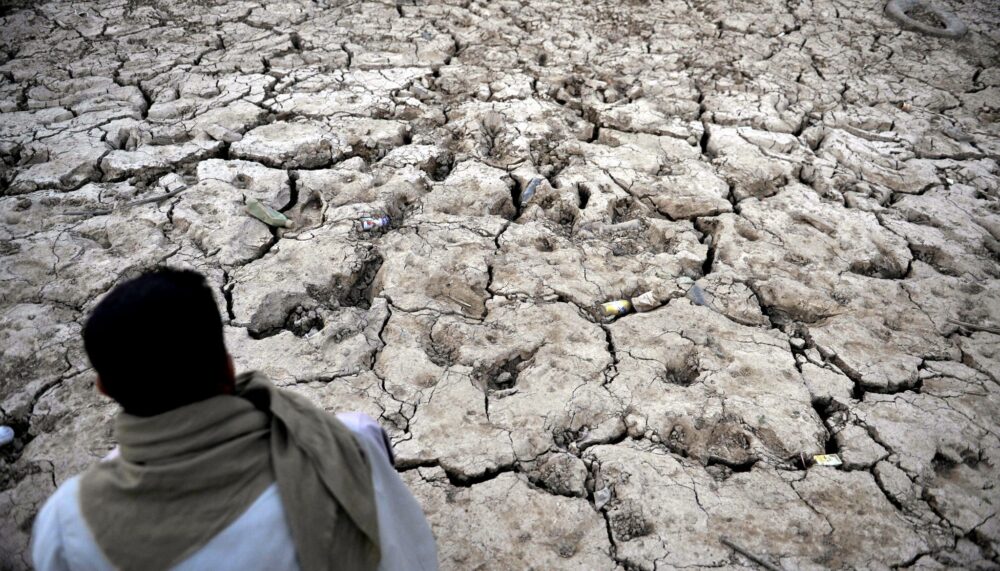
Water mediation across frontlinesSustained dialogue improves access to water in Taiz, Yemen
In 2025, we continued to support Yemeni conflict parties in developing ideas for the post-conflict period, with a focus on ways to encourage cooperation across the main conflict divide and resolving longstanding challenges in central-local relations. We also supported local peacebuilding through local mediation and inclusive local dialogue formats on local governance and community safety concerns. Our work contributed to restoring services, improved citizens’ trust in local authorities, and established practical infrastructures for peace.
In Taiz, for example, the city’s water system had been divided across frontlines for years, with wells, reservoirs and pipelines controlled by different authorities. Members of one of our local dialogue groups in Taiz carried out field visits, analysed the technical, financial and political obstacles to water delivery, and developed practical recommendations for restoring supply. The insider mediators then worked with water authorities and military actors on both sides to resolve local disputes and resume cooperation. These efforts helped restore potable water access for tens of thousands of residents and contributed to a technical agreement under the auspices of the United Nations between the water corporations in Taiz city and Al-Hawban to manage supply across frontlines.
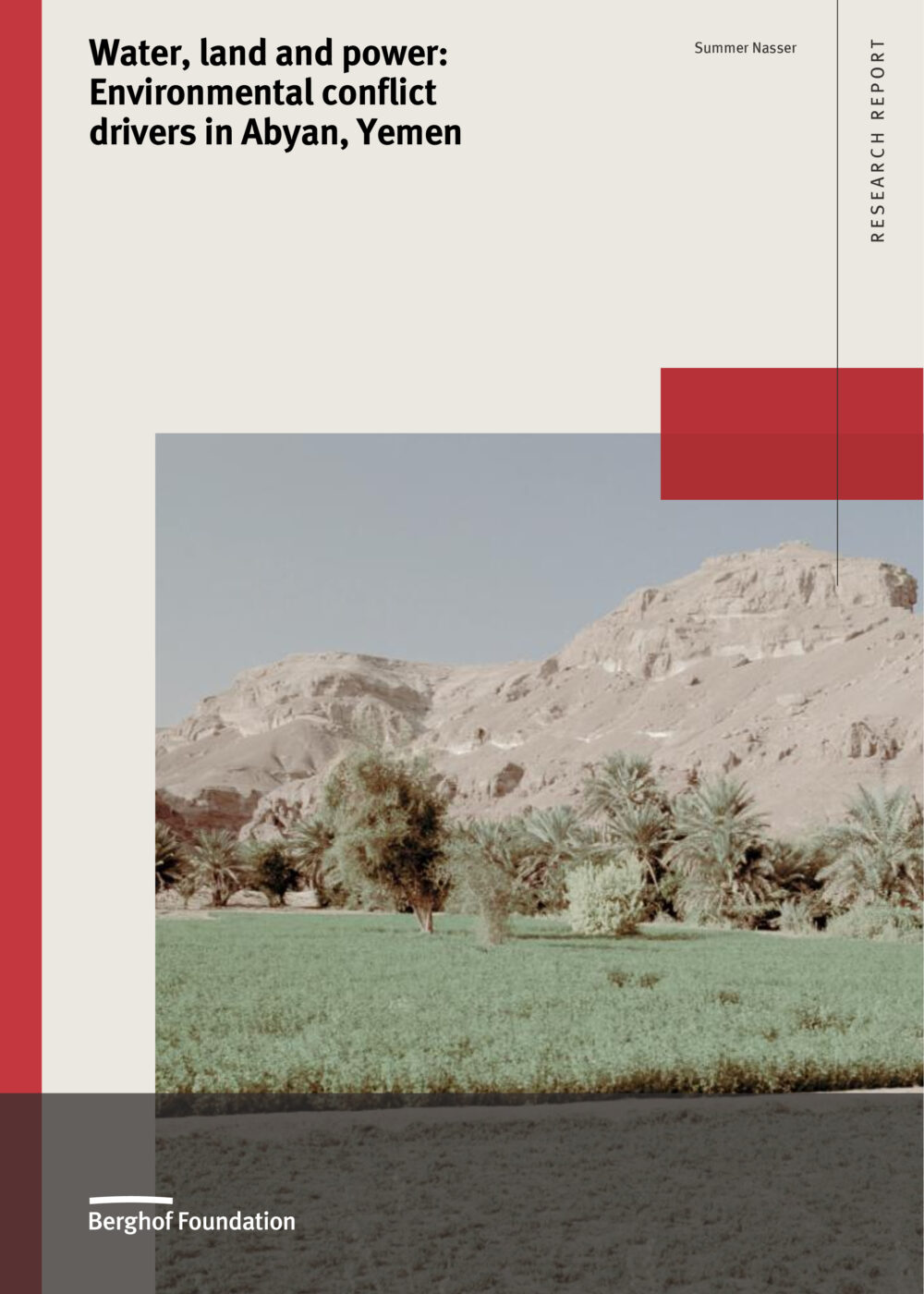
Featured PublicationWater, land and power: Environmental conflict drivers in Abyan, Yemen
We also continued to engage Yemeni political actors and senior stakeholders to ease political tensions and bridge divides at the national level. In 2025, our longstanding political dialogue programme introduced the theme of conflict, environment, peace and security (CEPS) to consultation groups comprising members from across the political spectrum. Shared environmental concerns helped reopen constructive discussions in highly polarised political contexts. Members committed to taking the issues forward used their influence to reduce polarisation and advanced responses to environmental challenges across the country. We also published a study examining how environmental pressures contribute to conflict in Abyan governorate in southern Yemen.
Our team in Lebanon showed remarkable resilience throughout 2025 ensuring operations continue amid the hardships they faced. As the regional conflict placed further strain on an already fragile social and political environment, we worked to strengthen intra-Lebanese relations and foster inclusive dialogue and reconciliation within Lebanese society. We brought together a diverse group of experts and opinion leaders on national reform priorities, supported initiatives commemorating the 50th anniversary of the Lebanese Civil War to encourage reflection on how to reconcile the country’s past, and launched participatory dialogue processes in conflict-affected communities to strengthen trust, local ownership and collaborative service delivery.
Across 25 municipalities, we fostered inclusive local governance and community participation. Based on needs assessments and participatory planning sessions, we brought together municipal representatives and local authorities with civil society actors and community members to identify priorities and find practical responses to local needs. This helped reinforce more inclusive and transparent municipal engagement and supported communities to translate their needs into locally owned initiatives.
In addition, we carried out research on how participatory governance processes affect trust, civic efficiency and relations between citizens and municipalities. Our team supported quantitative and qualitative research across 24 villages and municipalities to gain a stronger evidence base on the effects of participatory planning and decision-making, and to generate practical learning on how local participation can strengthen confidence in municipal governance and vertical social cohesion. The research showed that participatory planning and decision-making can change people’s behaviour even before their beliefs shift. However, participation alone may not build trust in state institutions when communities lack basic protection. We also explored how different generations in Lebanon understand the relationship between citizens and the state. Through desk research, surveys, individual interviews and focus group discussions, we capture citizens’ expectations of the state, their frustrations with clientelism and unequal access, and their aspirations for more meaningful participation in shaping Lebanon’s democratic future.
Read about our impactHow communities are building climate resilience through shared water governance in Balad, Iraq
Iraq continued to face a complex socio-economic environment in 2025, shaped by political developments, public demands for services and employment, fiscal pressures linked to oil dependency, and the effects of regional instability. While the parliamentary elections in November reflected the continued functioning of political institutions, broader challenges around governance, economic diversification, climate and water stress, and access to reliable services affected people’s daily lives and to the country’s longer-term stability.
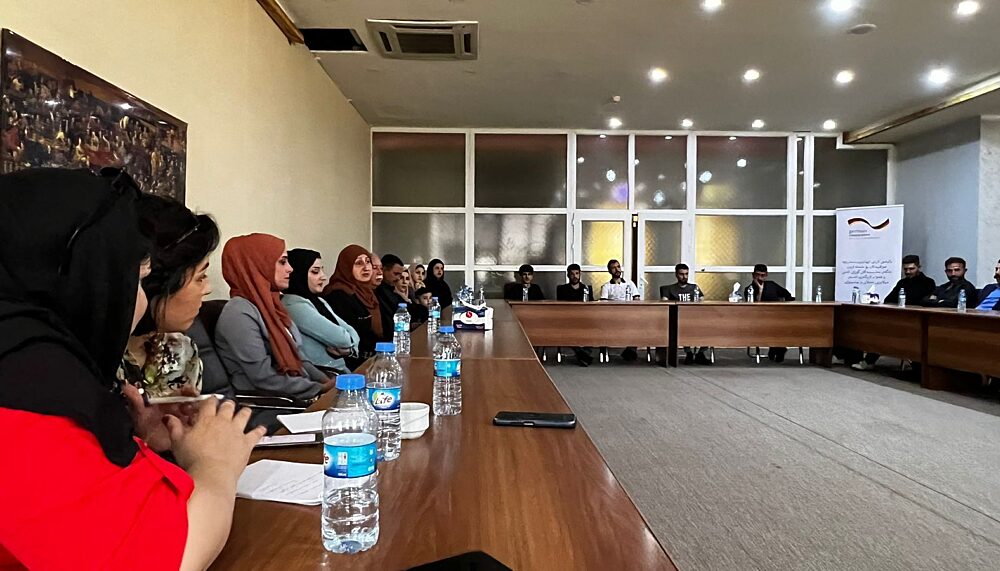
In the district of Balad, climate-related water scarcity and increasingly unpredictable water allocations fuelled disputes between farmers, landholders and tribal groups. Together with our Iraqi partners, we facilitated a dialogue process that brought community representatives, tribal leaders and government officials together to identify shared challenges and develop collective solutions.
The process led to the activation of the largest Water Users Association in the country, creating a formal platform for fairer water distribution and participatory decision-making. Representatives elected a 22-member board to represent more than 900 association members, including historically marginalised tribal groups. Rather than a purely formal structure, the association became a functioning institution with clear responsibilities: managing water distribution, mediating disputes, strengthening participatory decision-making and building trust across communities. While traditional structures in Balad have historically limited the participation of women and young people, their inclusion throughout the dialogue process marked an important step towards more inclusive local water governance.
Insights from IraqToolkit on climate-focused mediation and dialogue
Our work also had an impact at policy level. Iraq’s updated Nationally Determined Contribution, a national climate action plan under the Paris Agreement, now includes a dedicated section linking climate action with peacebuilding that cites our research on how climate change affects conflict dynamics in Iraq.
In 2025, we also published a dialogue and mediation toolkit to help peacebuilders design effective dialogue processes that address the climate and conflict realities of affected communities. It covers topics ranging from trust-based data collection and participants’ safety to entry points for climate action. Grounded in our experience in Iraq, the toolkit shows practitioners how to connect local dialogues with national-level processes and translate their ideas into workable, context-specific approaches.
Afghanistan's situation remained acute throughout 2025, marked by continued political isolation and a deepening economic crisis. The humanitarian outlook grew more severe as significant cuts to international aid funding left millions facing food insecurity by year's end. Growing political tensions with Pakistan intensified these challenges.
Despite this difficult environment, our longstanding relationships enabled us to sustain and expand our network of Afghan, regional and international stakeholders. We organised thematic exchanges on topics ranging from climate adaptation to regional connectivity, and broadened our engagement across South and Central Asia to embed sustainable peace and stability in Afghanistan into regional discussions, underscoring Afghan ownership and the value of cooperation based on shared interests and mutual gains in a context of growing regional polarisation.
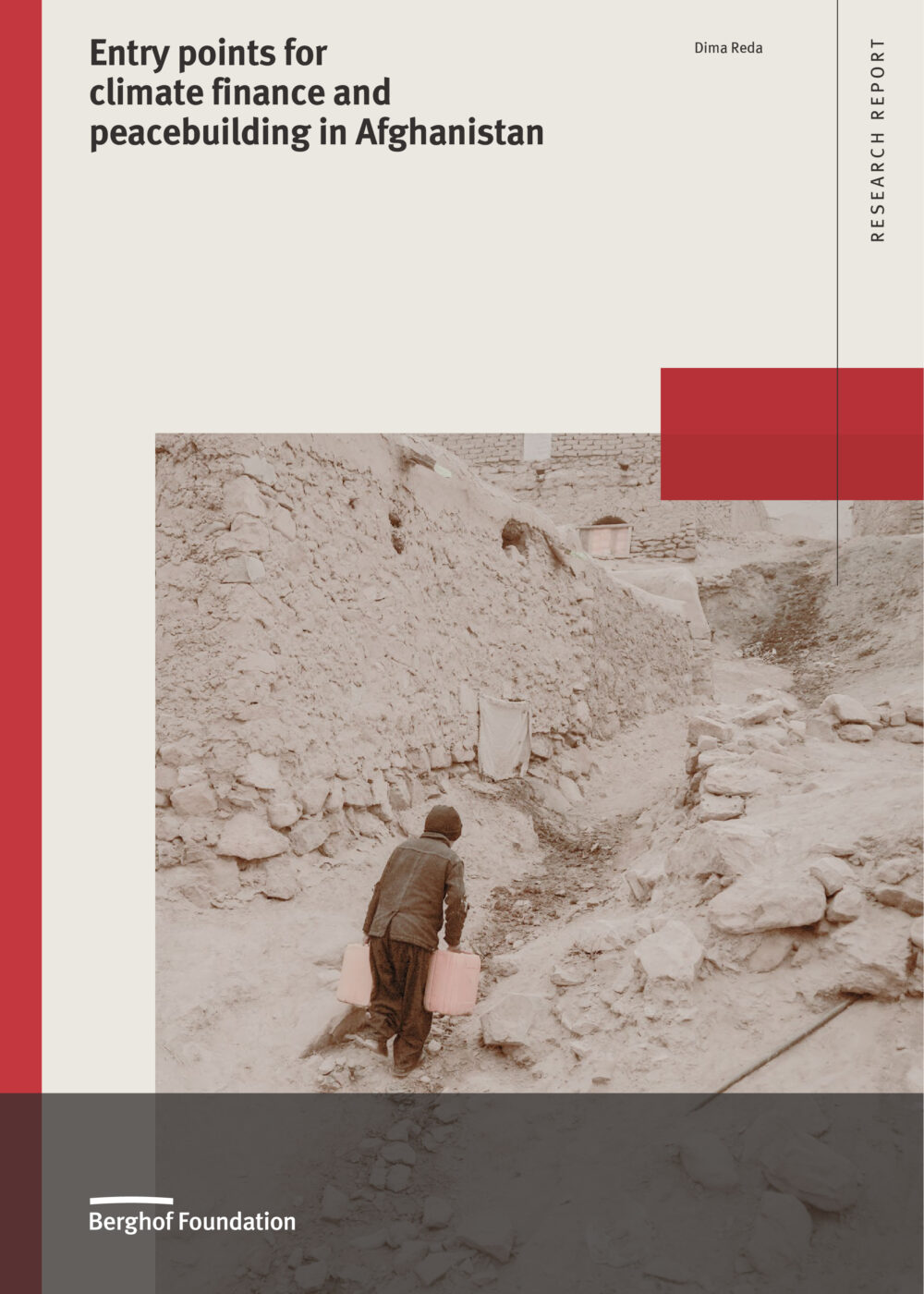
Afghanistan also faces severe climate pressures, including recurrent droughts, erratic weather patterns and mounting pressure on water resources. In 2025, we published a study examining how Afghanistan can access climate finance despite political constraints and institutional gaps as part of our multi-country programme strengthening infrastructures for peace. Applying lessons from Haiti, Somalia and the Democratic Republic of the Congo to Afghanistan, the report showed that fragile and conflict-affected settings can mobilise support through indirect delivery models involving UN agencies, NGOs and regional mechanisms.
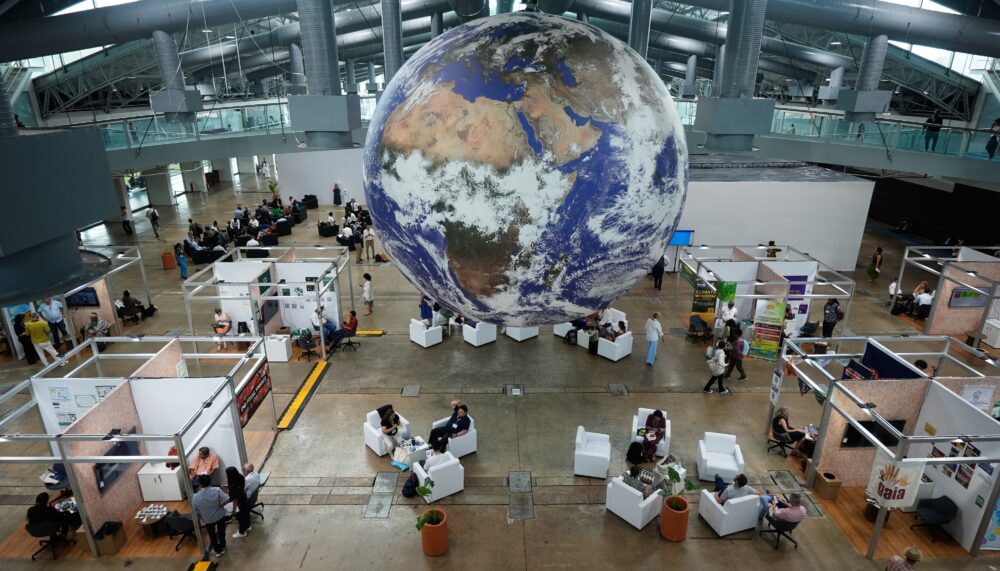
Blog post by Nazanine MoshiriNo peace at COP30? Why that’s a risk the world can’t afford
At COP30, we participated in several high-level events and advocated for climate finance that better accounts for conflict risks, supports local peacebuilders working on the frontlines to mitigate the effects of climate change and de-escalate conflicts within their communities, and places peace more firmly on the agenda of global climate forums. We also made the case for peace and conflict considerations to be integrated more fully into climate action.
In the Caucasus, the year was marked by the historic peace agreement between Armenia and Azerbaijan. Against this backdrop, political trajectories across the South Caucasus continued to diverge. While Armenia advanced its reform agenda and engagement in the normalisation process with Azerbaijan, increasing political polarisation and significant political and legal changes affected the environment for civil society in Georgia.
We therefore adapted our programming to preserve opportunities for constructive exchange in Georgia. We supported civil society actors by shifting our methodology from an explicit focus on dealing with the past towards broader trust-building and conflict-sensitive engagement on societal tensions. Through local dialogue workshops in several cities, we brought together journalists, civil society representatives, local government officials, students and academics to strengthen dialogue skills and foster social cohesion.
In Armenia, we piloted an innovative educational toolkit that promotes multi-perspectivity and critical thinking on peace and conflict. Developed jointly with Armenian education experts, the toolkit enables young people to analyse conflict narratives and political rhetoric rather than reproduce one-sided historical perspectives. By encouraging reflection rather than predetermined interpretations, the approach strengthens young people's capacity to engage constructively with contested histories and contributes to a more inclusive and peace-oriented public discourse.
2025 marked the fourth year since Russia's full-scale invasion of Ukraine. Diplomatic efforts to end the war intensified throughout the year, including the first direct talks between Russia and Ukraine since 2022. While these talks resulted in limited humanitarian agreements, including prisoner exchanges, no progress was made on a ceasefire or a broader political settlement. The outlook for negotiations remained uncertain at the end of the year.
As the war continued to place profound pressure on Ukraine’s society, institutions and civic space, we supported carefully designed dialogue and capacity-strengthening formats that helped actors navigate contested issues. We worked with local partners and diverse communities, bringing them together with public decision-makers to engage constructively on sensitive questions linked to democratic participation, inclusion, displacement, veterans’ reintegration, local governance and recovery. By linking perspectives from affected communities with institutional actors, we helped strengthen the conditions for more inclusive and responsive decision-making in a highly polarised and fast-changing environment.
We also supported the negotiation and leadership capacities of senior women diplomats and officials. Through peer exchange, practical negotiation support and strategic reflection, the participants strengthened their ability to analyse interests, navigate complex institutional dynamics, manage difficult conversations and engage constructively in high-pressure processes. Beyond individual capacities, our programme fostered trusted professional relationships and contributed to more resilient, inclusive and dialogue-oriented approaches to addressing the consequences of the war.
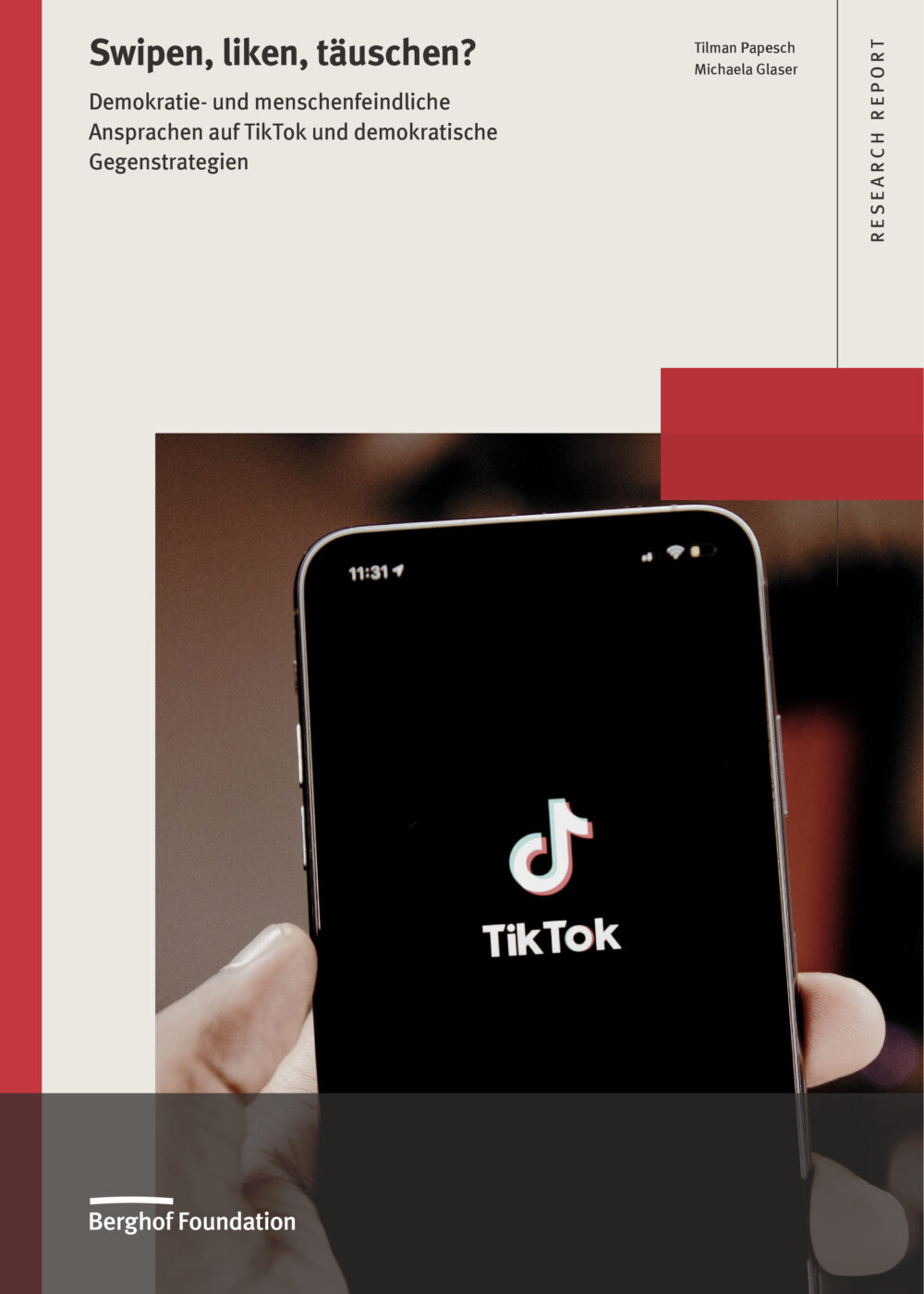
Featured PublicationSwipen, liken, täuschen?
In Germany, we conducted research on radicalisation prevention and analysed anti-democratic disinformation campaigns on TikTok. We interviewed young TikTok users to understand how they perceive anti-democratic and dehumanising content on the platform and to develop strategies for compelling counter-narratives. In addition, as part of the nationwide MOTRA
monitoring system and knowledge transfer platform, our research highlighted how stigmatisation and exclusion from social discourse can increase vulnerability to radicalisation towards Islamist extremism. The findings showed that debates on migration and international conflicts in Germany can heighten feelings of alienation among young people, make them more susceptible to extremist narratives and underline the importance of spaces for dialogue, particularly in schools.
We also saw how the wars in Ukraine and Gaza, as well as security debates, including discussions around a possible new military service, affected young people in Germany. Many brought these concerns into the classroom, prompting teachers to seek support in helping students navigate uncertainty and address tensions around these topics. We delivered school workshops, trained teachers and educators from primary to secondary schools across the country, and developed educational materials to respond to these challenges through the Service Centre Peace Education. In 2025, we celebrated the Service Centre’s tenth anniversary. Our work helped schools address children’s questions about war and violence and embed peace education more firmly in curricula across Baden-Württemberg, the federal state where our peace education branch is located. We also organised interactive “Peace Days” at schools across Germany to give pupils and teachers practical spaces to engage with peace, conflict, war and violence prevention.
Blog post by Tessa SchindlerReimagining digital spaces: A peacebuilder’s take on disinformation
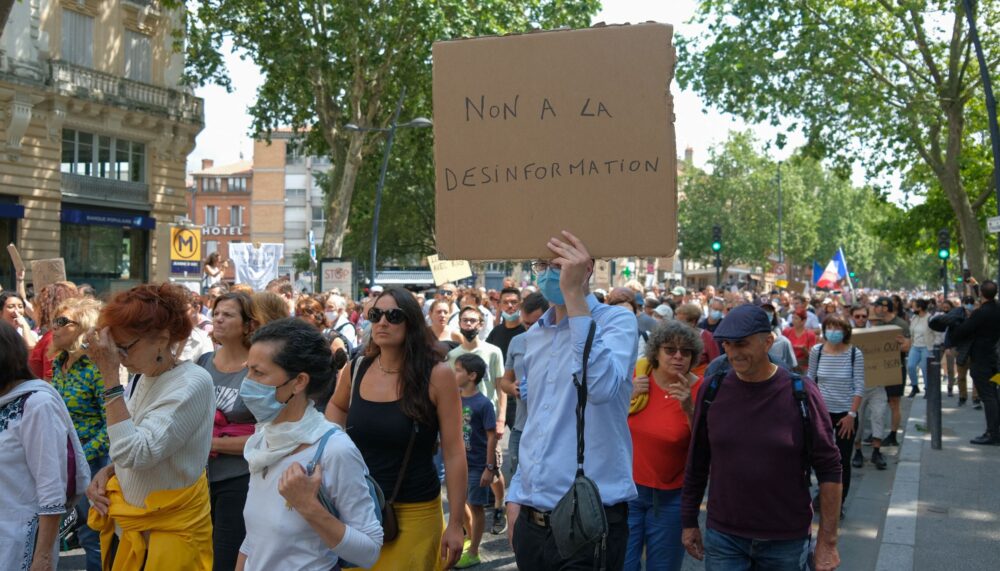
Conspiracy narratives and polarisation continued to spread online in 2025. Our peace education team therefore intensified our programming against disinformation and online hate.
We expanded our programming to dismantle conspiracy narratives online and used our toolkit against conspiracy theories in workshops for young people and adults to promote media literacy and resilience against disinformation. We also started to build a German web portal with comprehensive information and resources for people who want to learn more about disinformation or might be affected by conspiracy beliefs in their personal or professional lives. Our work received PHINEO’s "Impact Seal”, which honours non-profits and projects that demonstrate effective social impact.
Mindful of rapid development in this field, we launched a report on how peacebuilding can respond to disinformation and social division. The findings showed that peacebuilders can use locally grounded and gender-transformative approaches, including dialogue, mediation and storytelling, to address both false narratives and the underlying grievances that make communities vulnerable to disinformation.
In 2025, we concluded our research project on how to strengthen democracy in Europe’s neighbouring countries. Drawing on research across 23 countries in the EU neighbourhood, we found that democratic progress is shaped not only by domestic institutions and political actors, but also by the EU’s coherence and credibility in partner countries. Our research also showed that authoritarian elites, shrinking civic space and geopolitical competition often undermine democracy support. To address this, the EU should apply democracy conditionality more consistently, strengthen its own policy coherence, and combine long-term support for civil society with flexible engagement during windows of political opportunity.
In our podcast, researchers and pro-democracy activists shared personal stories, field-based insights and lessons from Serbia, Tunisia, Ukraine, Palestine, Georgia, North Macedonia, Algeria and Belarus. They explored how democracy support can respond to popular uprisings, wartime conditions, geopolitical rivalries and resilient authoritarian regimes. We also created a platform for pro-democracy activists with insights from our research and guidance on how to engage the EU in supporting pro-democracy movements.
Insights from practitionersWhat makes transitional justice transformative?
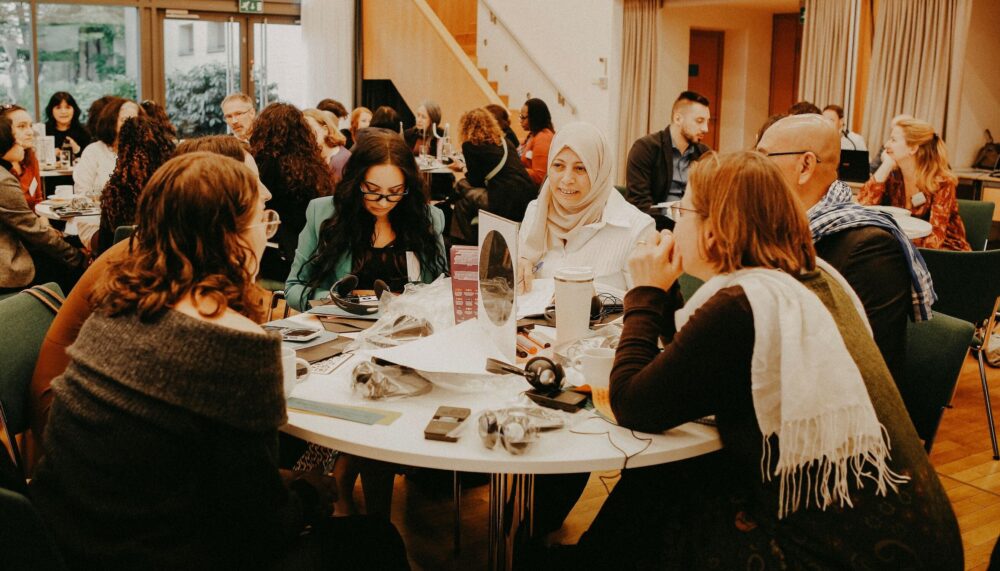
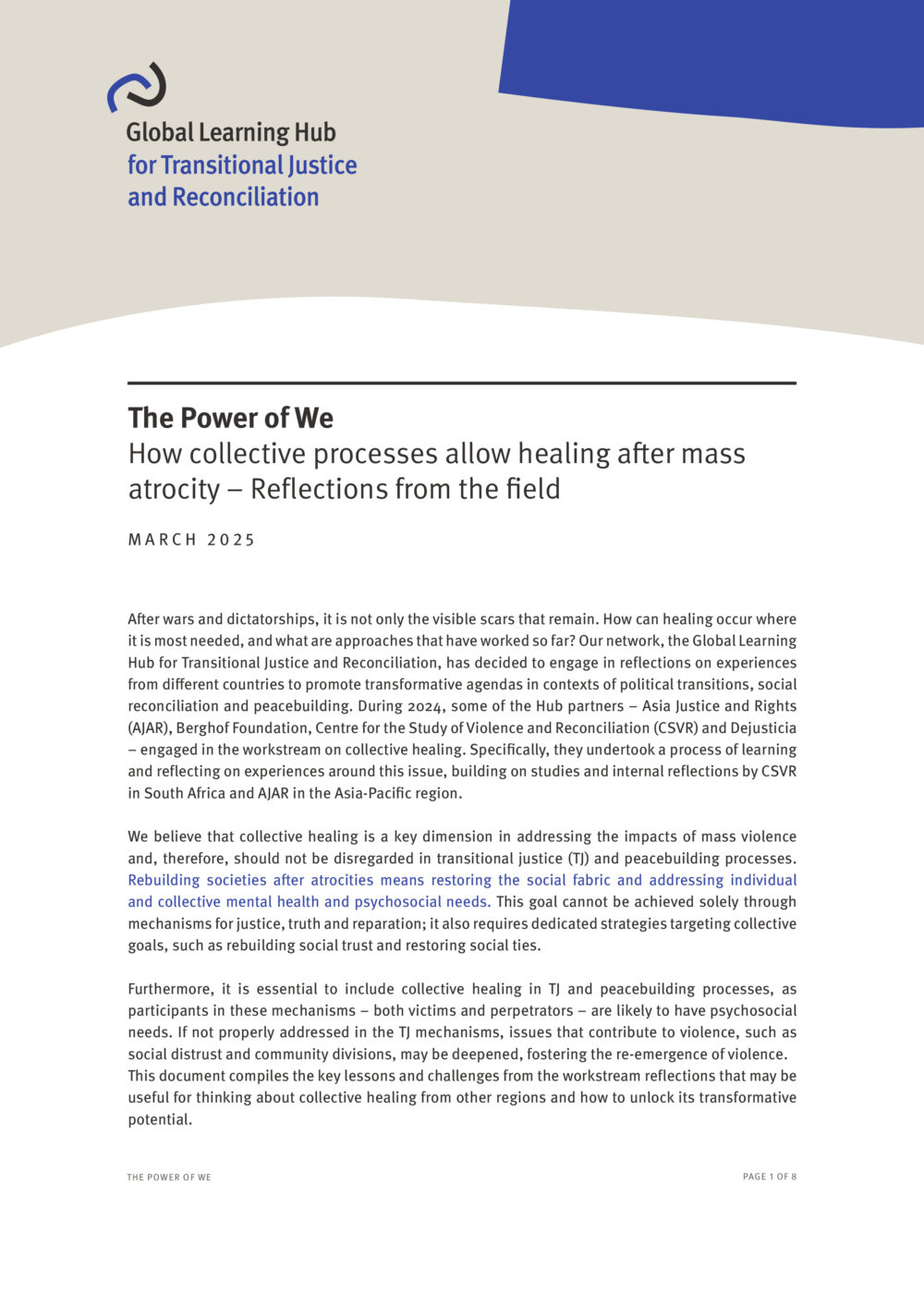
Together with our partners from the Global Learning Hub for Transitional Justice and Reconciliation, we advanced our work on transformative transitional justice in 2025, with a focus on the socio-economic dimensions of justice and the participation and agency of marginalised communities, women, youth and survivors. We brought together practitioners from nearly 40 countries for two days of exchange at our second practitioners’ conference in Berlin. The discussions highlighted the relevance of transformative approaches to dealing with past violence, as well as the need to create spaces where practitioners can connect, support one another and collectively develop strategies to overcome challenges. The conference underscored that transitional justice is a long‑term, iterative process aimed at structural change rather than a short-term sequence of reforms. Practitioners, survivors and experts increasingly see this shift in perspective as essential for building more inclusive, just and peaceful societies.
In 2025, we worked to strengthen the political dimensions of Disarmament, Demobilisation and Reintegration (DDR) of former combatants. Together with the United Nations, we worked to shift international DDR practice from technical reintegration support towards approaches that help former combatants take part in sustainable political transformation processes. We provided strategic support to the African Union, UN entities and national practitioners through policy workshops, high-level advisory processes and training. This included piloting new training curricula for DDR practitioners and former combatants, as well as a Training of Trainers programme in Ethiopia. We also fostered peer learning among former combatants from different conflict contexts and produced primers on civic education, mediation, gender, informal political participation and sequencing of political transitions. These resources contributed to global policy debates on how former combatants can become constructive political actors in peacebuilding and democratic transitions.
Featured ProjectSupporting women in Resistance and Liberation Movements in peace negotiations and post-war transitions
Across our work, we supported women peacebuilders and negotiators, insider mediators and leaders in and around peace processes, strengthening their influence through dialogue, negotiation support, peer learning and strategic engagement with key political and community actors. At a time of growing resistance to gender equality and shrinking civic space, we expanded opportunities for women to influence peace processes and political transitions, while supporting locally led, context-specific approaches to conflict transformation.
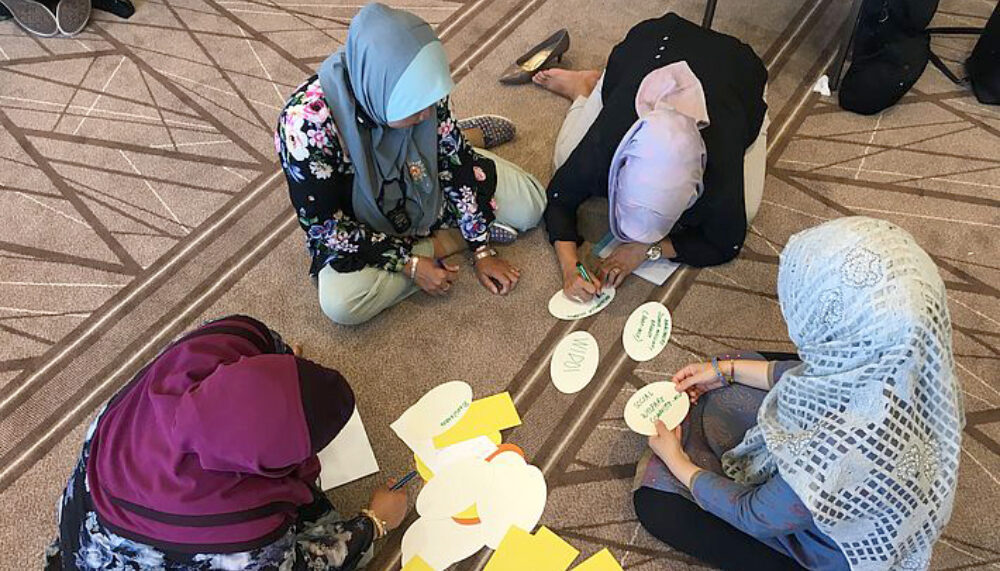
We continued to strengthen the global network of women in and associated with resistance and liberation movements (WRLM) and expanded their capacity to engage strategically in peace negotiations and political transitions. We organised tailored coaching, peer exchanges and thematic training sessions to help the women strengthen their negotiation skills and deepen their knowledge by learning from experiences in different contexts. The relationships and partnerships they built within the network also enabled them to take collective action across conflicts.
In 2025, we brought together women from ten network member groups with former members of resistance and liberation movements who had participated in high-level negotiations and political transitions. At the network’s annual meeting, participants exchanged practical insights on negotiation strategies, coalition-building and leadership. They reflected on lessons learned across different conflict contexts and developed approaches to current mediation challenges, strengthening both individual capacities and the resilience of the wider WRLM network.
We also convened the 15th annual meeting of the network of Resistance and Liberation Movements (RLMs) at our headquarters in Berlin in 2025. The meeting focused on the perspectives of government actors involved in negotiations with non-state armed movements and created a space to learn from former government negotiators who have participated in peace processes in asymmetric conflict settings. We also continued to support RLMs already engaged in negotiations, and provided guidance and capacity-building support to movements seeking to initiate negotiation processes with their state counterparts.
Featured PublicationPsychology in Peacemaking
Across our work in different countries and regions, we see how violent conflict has profound psychosocial effects on individuals and communities. These effects can make it harder for societies to address the legacies of violence and can shape people’s ability to engage in dialogue. In response, we produced innovative research on the role of psychology and neuroscience in peacemaking.
To support peace mediators and negotiators, we launched a practical guide on the psychological dynamics of peace negotiations. Based on in-depth interviews with negotiators, mediators and psychologists, it examines how emotions, perceptions, relationships and cognitive dynamics can contribute to deadlock or enable breakthroughs. The guide helps mediators and negotiators develop more effective strategies for dialogue and conflict resolution.
Mental health and psychosocial support (MHPSS) became a stronger focus of our work in 2025, both within our programming and our organisation. We advocated for MHPSS to be included in the UN’s annual review of its peacebuilding architecture, and our country teams built capacities to integrate MHPSS principles into our work. We held team briefings to establish MHPSS and peacebuilding frameworks and identified concrete pathways for anchoring them across our programmes.
Our work depends on the trust, commitment, and collaboration of partners around the world. Together with local organisations, multilateral agencies, government institutions, and donors, we help create the conditions for dialogue, mediation and peace. Their partnership enables us to advance conflict transformation practice and support communities affected by violence and polarisation.
As conflicts become more protracted and global crises intensify, sustained investment in peace remains crucial. We are grateful to both longstanding and new supporters who make our work possible.
We closed the fiscal year 2025 with revenues of €21.2 million and a surplus of €11,805. You can find our annual financial statement for download below.
We are pleased to acknowledge the partners who contributed substantially to our achievements in 2025:
Berghof Foundation Trust
Deutsche Gesellschaft für Internationale Zusammenarbeit GmbH
Dutch Ministry of Foreign Affairs
European Union
Finnish Ministry for Foreign Affairs
German Federal Foreign Office
Global Affairs Canada
Norwegian Ministry of Foreign Affairs
Swedish International Development Cooperation Agency
Swiss Federal Department of Foreign Affairs
We extend our sincere gratitude to the individuals and institutions who share our commitment to peacebuilding. Their support, expertise and trust are essential to sustaining our work.
Our achievements would not be possible without our Board of Trustees, whose support strengthened our work throughout the year. They also depend on the dedication of our team, which in 2025 brought together more than 130 colleagues with diverse backgrounds, expertise and perspectives.
In 2026, we are working to further amplify our positive impact for conflict-affected communities around the world. We invite you to support our work. Your contribution is an investment in a more peaceful world, today and tomorrow.