BLOG POST | 22 Oct 2026
Bringing peacebuilding home
Holding the space for peace in our own societies
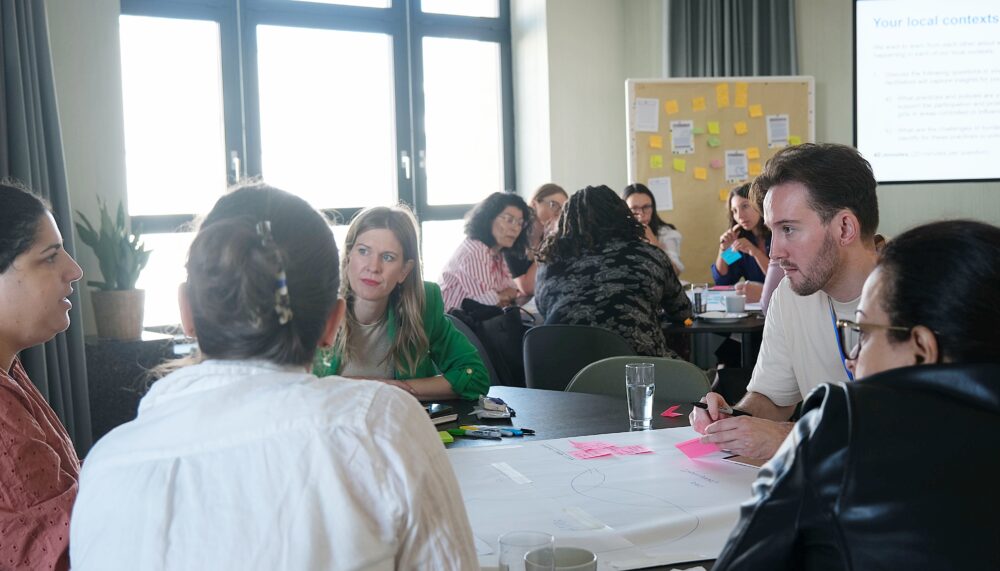
Our Senior Advisor Juan Diaz-Prinz shares three lessons on why peacebuilding must start at home, as trust and democracy face pressure in Europe and North America.
By Juan Diaz Prinz
As the geopolitical landscape changes and the norms and institutions that have guided peacebuilding for more than two decades come under attack, we often hear that the peacebuilding community must adapt.
I believe we must be careful about accepting this argument too easily. Peacebuilding organisations will certainly need to adapt their methods to changing political realities, but we as peacebuilders should not abandon the values, norms, and institutions that make peace possible. Rather than only adapting, I propose we also bring our work home: holding the space for peace in our own societies until calmer heads prevail.
Holding that space does not mean defending every existing institution or pretending that the previous international order worked equally well for everyone. Many structures were unequal, selective, and in need of reform. But reform should not be confused with abandoning international law, diplomacy, human rights, and multilateral cooperation.
That work must begin at home. The rapidly changing world is not visible only in fragile and conflict-affected states. It is also visible in many of the societies from which peacebuilding organisations receive their funding and political support. For decades, Europe and North America were societies that sent peacebuilding support outward. We should now ask whether we are prepared to apply some of that experience inward.
For decades, Europe and North America were societies that sent peacebuilding support outward. We should now ask whether we are prepared to apply some of that experience inward.
In these societies, social trust is under strain and political competition is becoming more adversarial. Opponents, minorities, or dissenting institutions are increasingly portrayed as threats to the nation, democracy, or public safety.
Peacebuilders recognise these warning signs in conflict settings: hardening identities, the loss of shared facts, the portrayal of opponents as existential threats, the delegitimisation of institutions, and the normalisation of language that would once have been considered unacceptable. We must become equally willing to recognise these warning signs in our own societies.
This matters because international peacebuilding also depends on whether the societies that fund it continue to believe in diplomacy, international law, multilateral cooperation, and conflict resolution. If those foundations weaken at home, the space for peacebuilding abroad weakens too.
The answer is not for international peacebuilding organisations to arrive as experts with solutions. Europe and North America already have experienced domestic dialogue, mediation, and peacebuilding actors, such as ProPeace in Germany, Mediation Northern Ireland in the UK, and Constructive Dialogue Institute in the US. Our role should be to offer comparative learning, convening capacity, conflict-analysis skills, and support where domestic partners see value in them.
Three lessons from peacebuilding practice are particularly relevant.
1) Do not wait until conflict becomes violent
In partnership with domestic organisations, peacebuilding needs to support existing mediation and dialogue initiatives before intimidation, dehumanisation, and institutional distrust become normalised at local, regional and national levels.
International peacebuilding actors can also bring lessons from conflict analysis into their own societies: to identify where trust is breaking down, which relationships need strengthening, which institutions retain legitimacy, and where opportunities for depolarisation and building social trust exist.
The goal is not to eliminate political disagreement, which peaceful societies require, but to prevent it from becoming dehumanising and destructive.
2) Trust and legitimacy must be built, not communicated
We should engage people's legitimate experiences of insecurity, exclusion, and distrust without normalising leaders or movements that weaponise those experiences against the rights and safety of others. Engagement does not mean endorsement.
Peacebuilding must not turn deliberate attacks on democratic institutions or the rights of others into a neutral disagreement between equally responsible sides. Dialogue cannot replace the defence of human rights, democratic institutions, and the rule of law.
Trust grows not simply through better information, but when people feel institutions are responsive, fair, and willing to listen. Those drawn to destructive political movements may feel they have little to gain from the existing system and little to lose from its destruction. Taking their grievances seriously and creating opportunities to encounter those they have been taught to fear can help address this alienation. Northern Ireland’s police reforms, including independent oversight and local partnerships, offer one example of how institutions can begin to rebuild trust in a deeply divided society.
3) Durable processes depend on insider mediators
Durable change depends on insider mediators who understand local histories and grievances and have the credibility to bridge divides. Our work with these mediators in other countries has given us practical experience in multipartiality, multitrack frameworks, civilian confidence-building measures, and the training and accompaniment of mediators.
At home, we can draw on this experience to connect local initiatives with national-level engagement, while supporting those already leading these efforts with the independence, skills, resources, and sustained backing they need to succeed.
Domestic peace efforts must grow from the bottom up while connecting to a wider national framework. Local dialogue alone cannot resolve national political conflicts, while national initiatives without strong local roots will struggle to build trust and legitimacy.
Local dialogue alone cannot resolve national political conflicts, while national initiatives without strong local roots will struggle to build trust and legitimacy.
Bringing peacebuilding home is not a retreat from international work. It is part of protecting the political conditions that make international peacebuilding possible. If the international order is entering a more dangerous period, our task is not to follow it wherever it goes. Our task is to hold the space for peace and help create the conditions in which calmer heads can eventually prevail.
Media contact
You can reach the press team at:
+49 (0) 177 7052758
email hidden; JavaScript is required