Search Results
Results for 'gender'
Building peace from the inside phase II: Supporting insider mediation for the sustainable transformation of conflictPolicy briefs
The objective of these short policy briefs is to inform national, regional and international institutions on key topics related to insider mediation and to inform the development of more holistic and supportive policies for insider mediators. While women still face cultural, logistical and security barriers in their participation in local mediations, they are able to play critical and unique roles in mediating family, land, socio-economic, and environmental conflicts, contributing to a high success rate of mediation agreements. The value of building and supporting (informal) networks of insider mediators is key in environments that do not always welcome the contributions of civil society and where more flexible and nimble networks can act as early warning and response mechanisms, raising the chances to achieve sustainable and transformative peace.
- Year 2024
- Author(s) Marine Jacob, Claudia Maffettone, Stephanie Sarta, Nura Detweiler, Victoria Cochrane
Construire la paix de l’intérieur Phase II : Soutenir la médiation interne pour la transformation durable des conflitsNotes d’orientation
L’objectif de ces brèves notes d’orientation est d’informer les institutions nationales, régionales et internationales sur des sujets clés liés à la médiation interne et d’éclairer l’élaboration de politiques plus holistiques et plus favorables aux médiateurs internes. Bien que les femmes soient toujours confrontées à des obstacles culturels, logistiques et sécuritaires lors de leur participation aux médiations locales, elles sont en mesure de jouer un rôle essentiel et unique dans la médiation des conflits familiaux, fonciers, socio-économiques et environnementaux, contribuant ainsi à un taux élevé de réussite des accords de médiation. La valeur de la création et du soutien de réseaux (informels) de médiateurs internes est essentielle dans des milieux qui n’accueillent pas toujours favorablement les interventions de la société civile et où des réseaux plus souples et plus agiles peuvent servir de mécanismes d’alerte et de réponse précoces, augmentant ainsi les chances de parvenir à une paix durable et transformatrice.
- Year 2024
- Author(s) Marine Jacob, Claudia Maffettone, Stephanie Sarta, Nura Detweiler, Victoria Cochrane
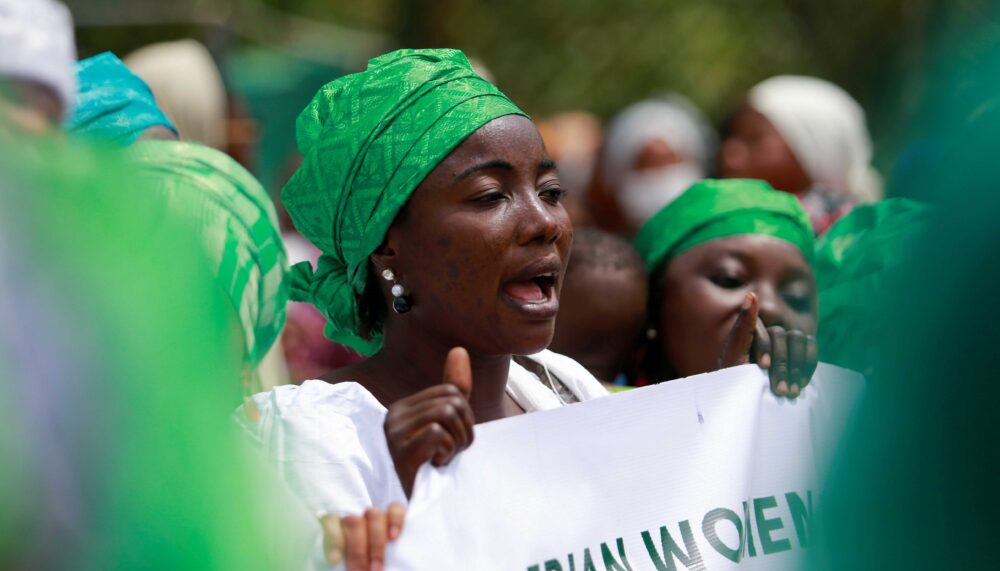
Video: Voices of women peacebuildersCelebrating International Women’s Day 2025
Watch the recording of our event to hear the stories of women from Nigeria, Syria, and Zimbabwe who are leading peacebuilding efforts in their communities.
- event 6 Mar 2025
At and around the tableUncovering the diversity of roles played by women from resistance and liberation movements in peace processes
This paper, the fourth in our policy insight series on gender-inclusive conflict transformation, examines the formal and informal roles played by women in and associated with resistance and liberation movements (RLMs) during peace processes. We conducted focus group discussions, interviews and peer-learning workshops with women from South Africa, Northern Ireland, Colombia, the Philippines, Kosovo and other contexts in Latin America, Europe and Southeast Asia who contributed to peace processes either as formal negotiators or informal peace leaders.
- Year 2025
- Author(s) Claudia Cruz Almeida, Fee Högner
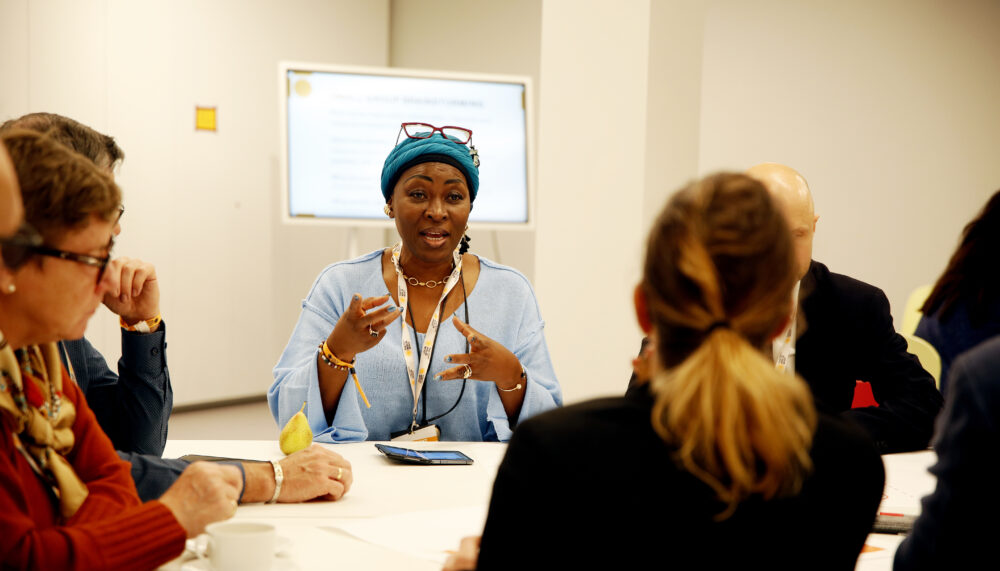
Our annual report 2024Narrative
2024 was marked by a record number of violent conflicts, underscoring the importance of the work that we do. Read about how we intensified our peacebuilding efforts despite the challenges that organisations like ours currently face.
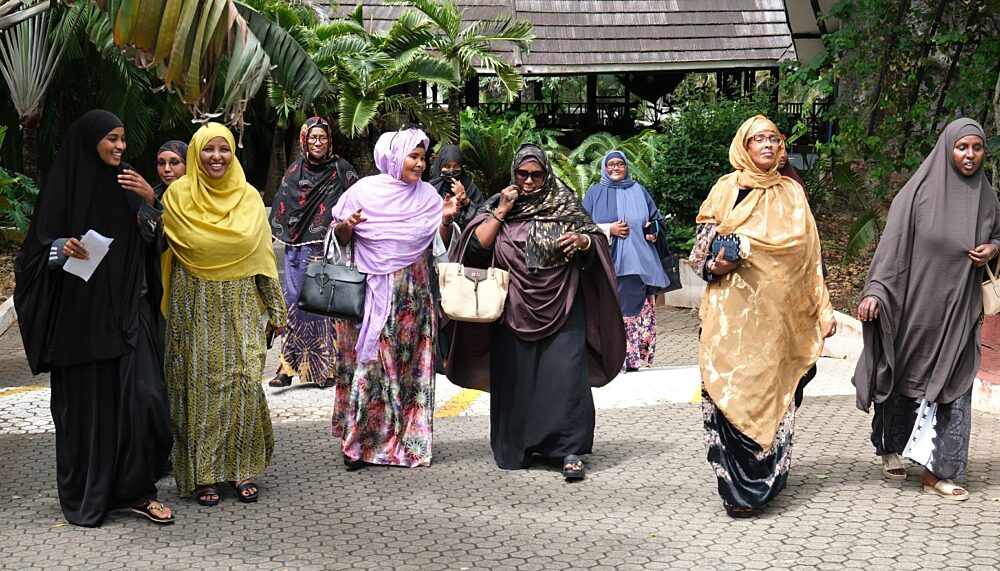
International Day of Peace 2025: Listen to the stories of women peacebuilders
On Peace Day, we spotlight Somali women peacebuilders shaping resilient futures through collective action. Watch their powerful stories.
- feature 18 Sept 2025
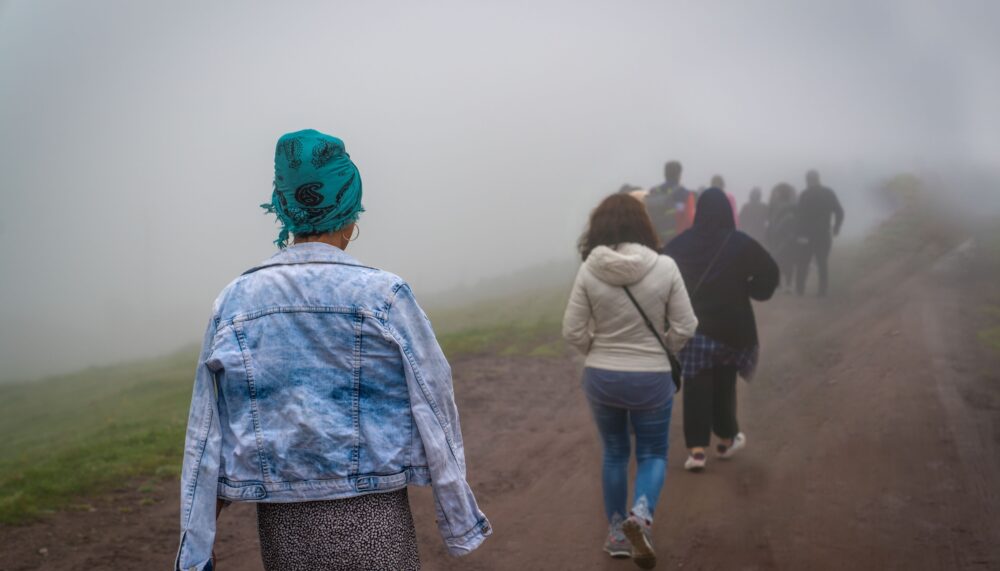
Video: Integrating women from resistance and liberation movements into peace processesReflections on 25 years of the Women, Peace and Security Agenda
Watch the recording of our event to hear from women in and associated with resistance and liberation movements about their experiences.
- event 15 Oct 2025
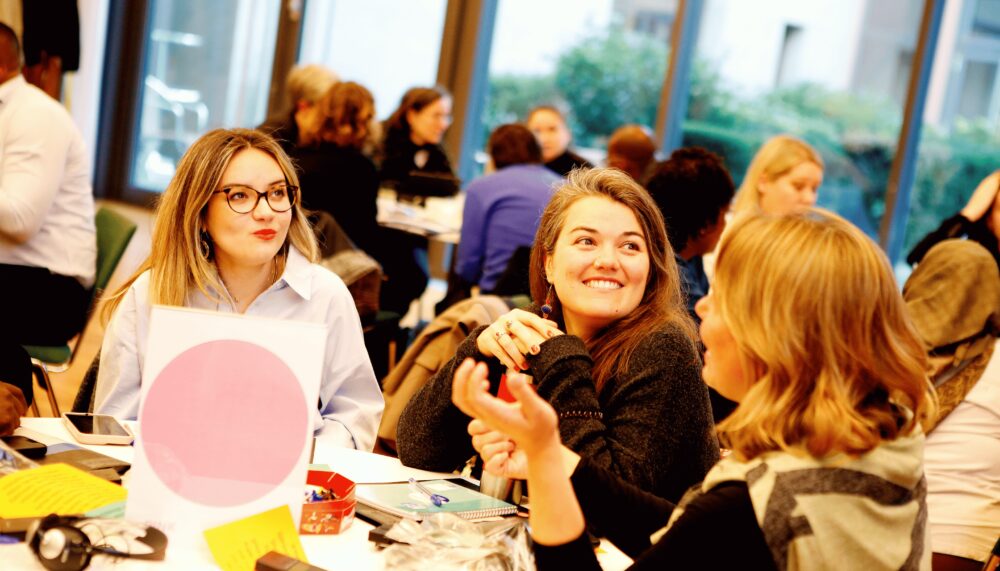
Supporting Women, Peace and Security
The UN Security Council’s landmark resolution turns 25 this year.
- feature 29 Oct 2025
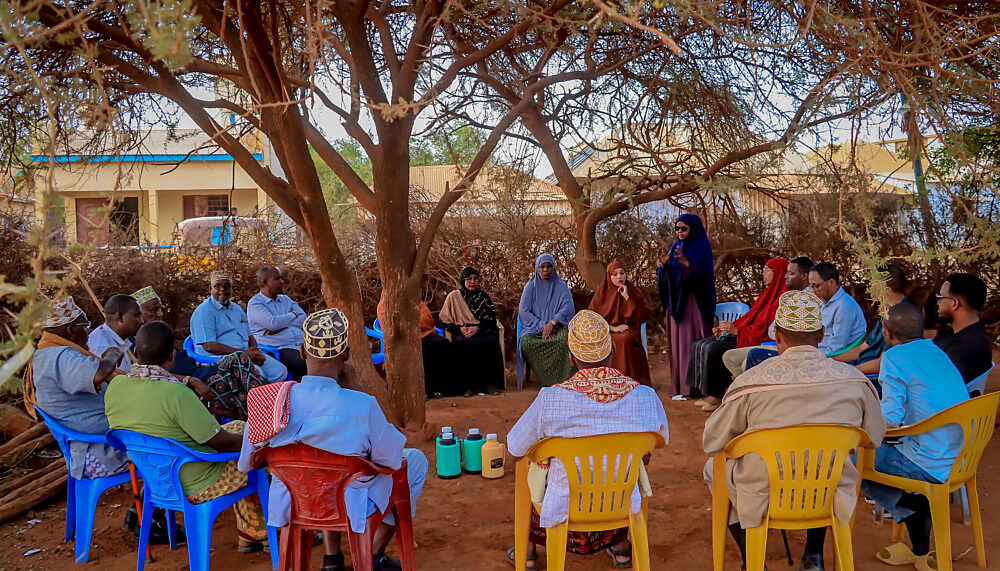
Strengthening infrastructures for peace in Iraq, Somalia, and Yemen
The overall goal of Berghof Foundation’s infrastructures for peace programme in Iraq, Yemen, and Somalia is to strengthen conflict transformation mechanisms.
- Current Project