BLOG POST | 21 May 2026
Lessons on climate, environment, peace, and security
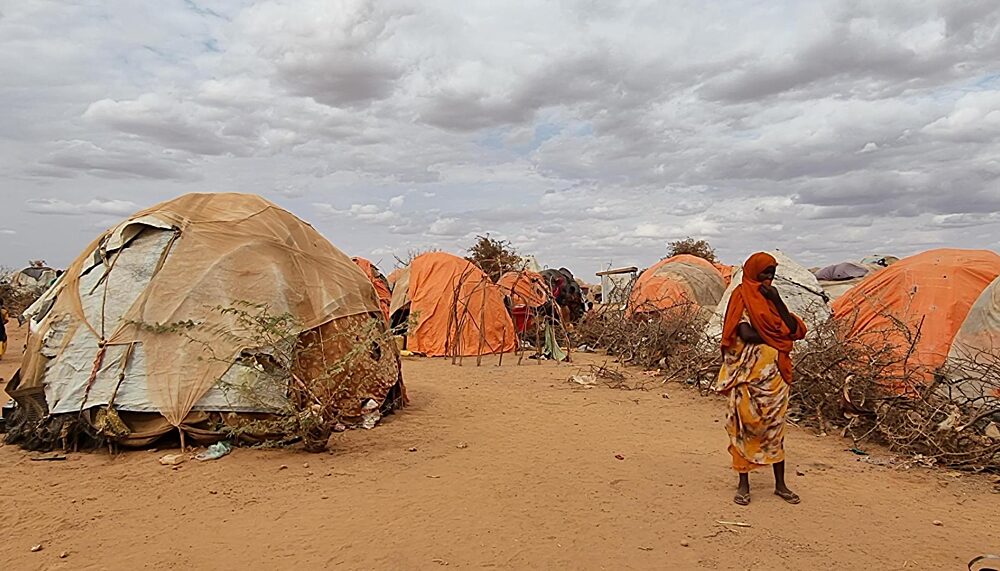
Across Iraq, Yemen, and Somalia, environmental pressures shape conflict and cooperation. Read the three lessons from our programming on environmental peacebuilding.
By Nazanine Moshiri
Integrated climate, environment, and peace programming delivers results that siloed approaches tend to miss. Our experience shows that addressing climate pressures together with governance and conflict dynamics can help improve resource management, strengthen social cohesion, and in many cases lead to actual cooperation between communities and authorities that previously did not work together. Shared environmental challenges open space for dialogue, while peacebuilding approaches make adaptation efforts more inclusive and sustainable.
At a recent webinar hosted by the Berghof Foundation, we reflected on water governance in Yemen, Iraq, and other fragile states. Despite very different contexts, the same lessons keep coming up.
1. Environmental stress is more likely to fuel conflict when governance systems are weak, unclear, or poorly enforced.
Across Iraq, Yemen, and Somalia, environmental stress alone does not explain tensions and conflict. What matters is whether there are clear, trusted, and enforceable systems to manage both environmental stress and conflict risks.
In Iraq, disputes between farmers in rural areas often escalate when there is no shared understanding of water allocation or fair ways to resolve disputes. As water supplies drop, particularly during the searing summer months, accusations of unfair access, diversion, and corruption increase, and tensions spill over into wider livelihood pressures. Water stress cuts income, drives debt, and eventually pushes people to leave rural areas for cities. For those that remain, when livelihoods collapse and alternatives disappear, armed groups become one of the few remaining options.
What becomes clear is that migration itself is not the problem. Tensions tend to arise when authorities and local systems are not equipped to absorb newcomers, especially where jobs, services, and resources are already under pressure, and where there is limited social cohesion between host communities and new arrivals.
In Yemen, governance gaps are even more pronounced. Water regulations exist, but they are often outdated or poorly enforced. Wells are drilled far closer together than legally permitted or environmentally sustainable, accelerating groundwater depletion. In some areas, distances that should be hundreds of metres have shrunk to just a few. At the same time, damaged infrastructure and unregulated land use contribute to both scarcity and flooding.
When boundaries, rights, and responsibilities are unclear, competition becomes difficult to manage. In Abyan, which is in southern Yemen, disputes over water infrastructure have escalated into violent clashes between tribes, with mediation only succeeding once both local authorities and tribal leaders intervened.
Somalia reflects a similar pattern. Drought and land degradation have significantly reduced the amount of arable and grazing land, dried out water sources, and caused livestock to perish in many regions. This has led to an increase in violent conflict between pastoralists and farmers that often intersect with long-standing clan tensions. These environmental pressures do not trigger conflict in isolation, but they intensify existing grievances, especially where governance structures are fragmented or absent.
Experiences from Yemen, Iraq, and Somalia show that conflict is not inevitable. Where local mechanisms exist to manage access to shared resources and mediate disputes, communities are often better able to prevent tensions from escalating and create space for dialogue.
What we see consistently is that climate pressures become a destabilising factor when governance systems such as resource management for conflict resolution are unclear, uneven, or open to influence by groups with vested interest. Where such systems are functioning and perceived as fair, response to scarcity is more likely to lead to cooperation and coordination.
2. Trust is built locally and it determines whether tensions escalate or ease.
Governance may shape the conditions for conflict but trust often determines whether tensions escalate or ease.
Trust can erode quickly when institutions fail to respond and communities feel their concerns are not addressed. In Iraq, this is especially visible during peak summer periods, when water and electricity shortages converge. What begins as frustration over services can escalate into broader tensions, including protests. In some cases, authorities respond with harsh repression and violence against protesters, which further deepens mistrust.
Scarcity alone does not trigger this shift; the absence of a credible response does.
The interaction between formal institutions and informal community systems matters. Our experience shows that informal actors, such as tribal or community leaders, are often trusted more by communities than formal institutions and can manage local tensions more effectively. But when both are weak, conflicts are far more likely to escalate.
Trust is built through consistent engagement rather than policy alone. Without regular interaction between communities, local authorities, institutions, and implementing organisations, these stakeholders can quickly fall out of step with local needs, and trust declines accordingly. One lesson that came up repeatedly in discussions is how quickly realities change on the ground. Data collected for one year may no longer reflect the situation the following year.
Trust is often anchored in informal systems. In Yemen, tribal leaders and religious figures play a central role in mediating disputes, particularly around water. That said, they rarely operate in isolation. Where informal agreements remain disconnected from formal governance on the one hand and community structures, such as water users' associations, on the other hand, they can lack durability and struggle to adapt to changing circumstances. Bringing different levels of governance and formal and informal systems into alignment can be difficult, but doing so can significantly strengthen confidence in the sustainability of agreements. For example, since October 2024, insider mediators have helped resolve six local water disputes in Taiz, improving access to running water for more than 35,000 people.
Finally, various government entities and organisations have tried to build trust more deliberately. In Somalia, informal networks of local peacebuilders, particularly at the district level, connect communities with authorities and, in some cases, have enabled communities to engage in dialogue and develop concrete agreements on land and water use. Proximity clearly matters. Engagement at the district level often proves more effective than coordination at the national level.
3. Dialogue needs to deliver to last.
There is a point in almost every peacebuilding process where communities ask: what will actually change?
Communities tend to disengage from dialogue when it does not translate into tangible outcomes. Purely consultative processes often struggle where they failed to improve water access, irrigation, or livelihoods. The issues are too immediate for conversation alone to feel meaningful.
Small, visible gains can shift dynamics quickly.
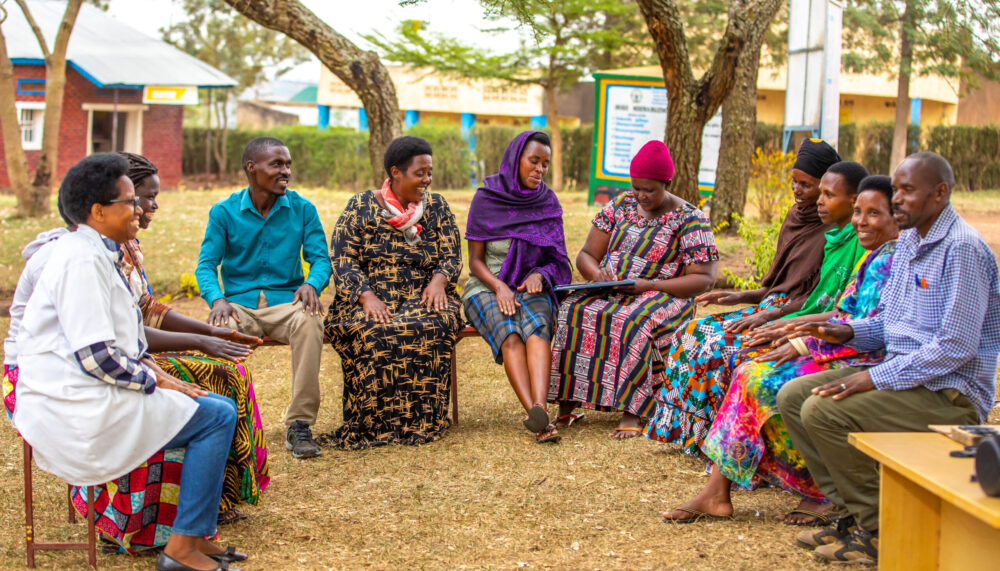
In Nineveh governorate in northern Iraq, people identified the problems together, agreed on what needs to change and how, and supported and monitored implementation. This makes action part of the dialogue, not separate from it.
When initiatives are locally led and community-owned, visible improvements on the ground can strengthen trust in the process, while the dialogue itself helps sustain cooperation over time.
In Somalia, micro-grants for initiatives by local peacebuilders have allowed communities to act on the issues they discuss, from land-use agreements and clean-up campaigns to water access and more sustainable farming practices. This combination of dialogue and action reinforces credibility and sustains participation.
That said, these approaches have limits. Small-scale interventions can build trust, but they do not replace the need for broader infrastructure, governance reform, or long-term investment. In some cases, they risk raising expectations that cannot be met.
Complicating matters further, peacebuilding actors cannot always deliver the “hardware” communities need. Without partnerships across humanitarian, development, and peace actors, dialogue processes may identify solutions without the means to implement them. Colleagues have noted that this gap can undermine trust if not managed carefully.
What this means for how we work
These lessons do not point to an entirely new approach. They reinforce something that has become increasingly clear: Climate pressures, governance, and conflict are already deeply interconnected, and our programming needs to reflect that reality more consistently.
For peacebuilding organisations, this has practical implications. It means moving beyond treating environmental pressures as a backdrop to conflict and instead recognising them as entry points for engagement. In many contexts, shared risks such as water scarcity or land degradation can create space for dialogue where political processes struggle to gain traction.
Local grounding is equally critical. Across Iraq, Yemen, and Somalia, the most effective approaches are those that reflect how communities actually experience environmental pressures. Locally led processes and the inclusion of different groups make agreements more credible and more likely to hold over time.
Finally, dialogue and action need to reinforce each other. Trust grows when communities not only discuss shared challenges, but work together to address them, whether through managing water resources, restoring infrastructure, or agreeing on land use.
Connecting climate adaptation, environmental governance, and peacebuilding does more than create efficiencies. It can produce outcomes that would not emerge from working on these issues separately. Progress in one area reinforces progress in others.
Media contact
You can reach the press team at:
+49 (0) 177 7052758
email hidden; JavaScript is required