EVENT
Video: Water, conflict and governance in fragile contexts
Insights from Yemen and Iraq
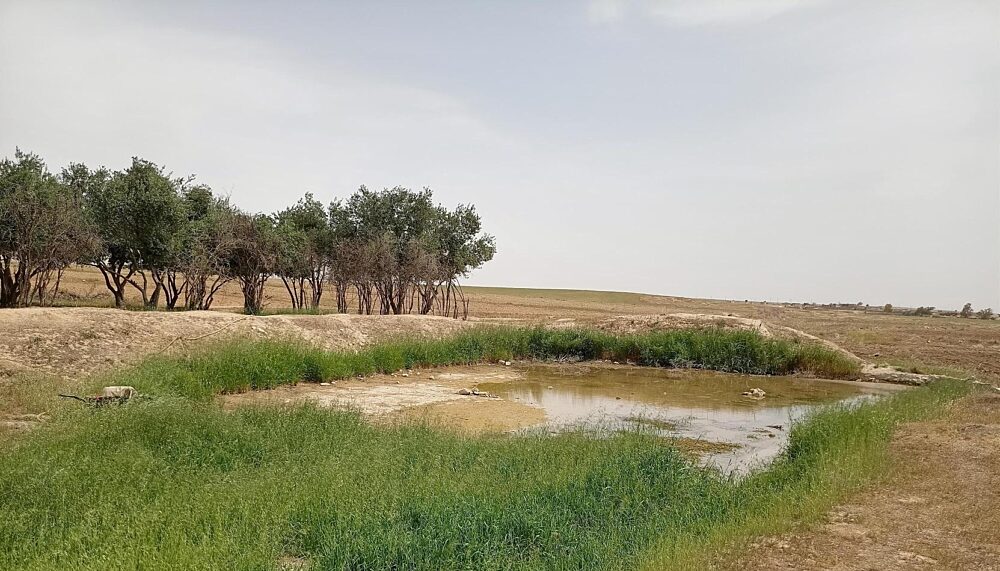
Water is not only a technical issue. Our research in Yemen and Iraq shows how political and social dynamics can turn water into a driver of conflict or cooperation.
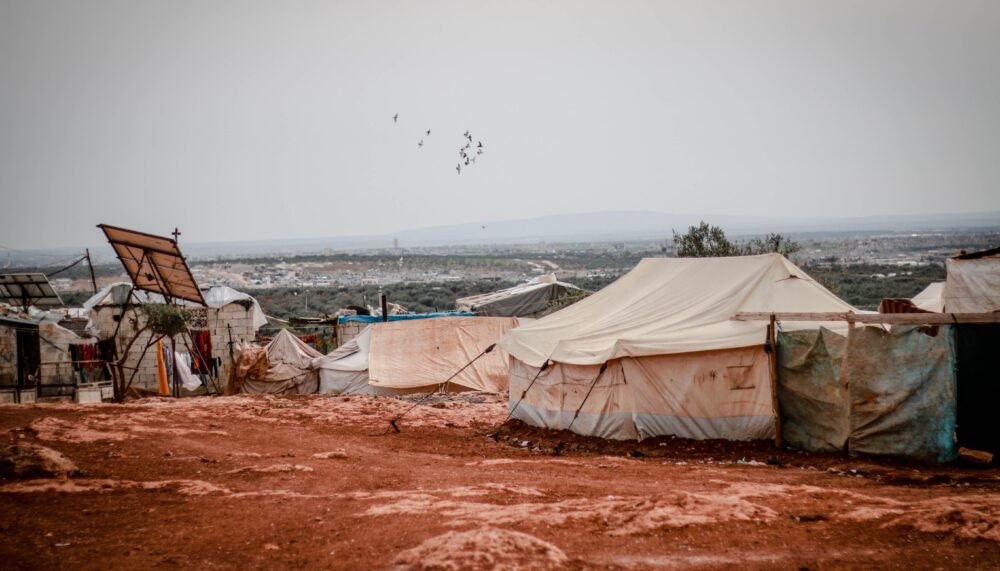
The ongoing war in the Middle East highlights how water infrastructure functions as a significant pressure point in times of crisis. Attacks on desalination plants can leave large populations without drinking water. Strikes on oil pipelines and fuel storage tankers can cause long-lasting environmental damage, such as groundwater contamination amongst others. When these repercussions affect people’s daily lives, access to water can itself become a source of conflict.
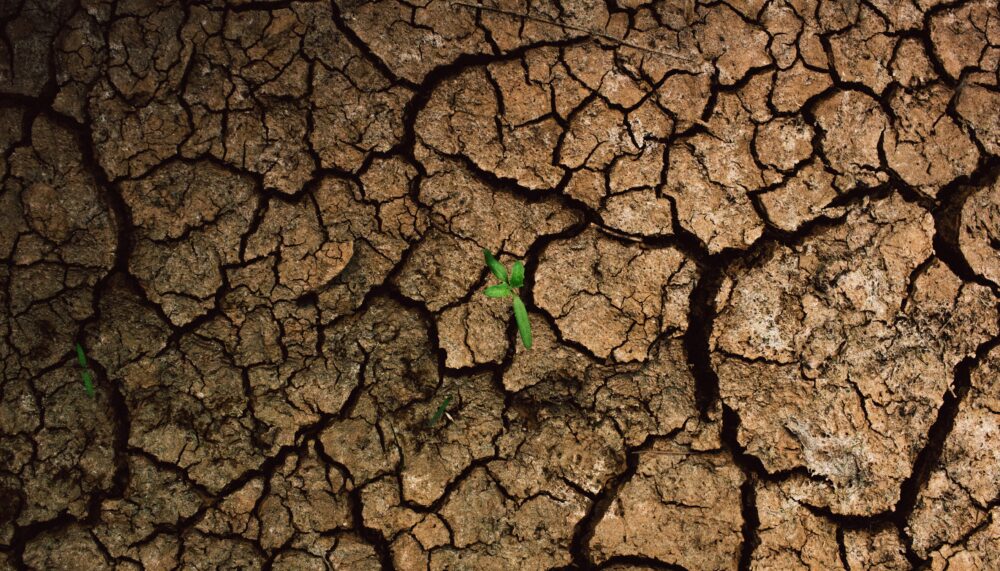
Water management is however not only impacted by wars, but also by internal factors. Weak governance, inequality and conflict legacies can turn water into a source of tension especially when they interact with drought, flooding, groundwater depletion and failing infrastructure. These stressors shape livelihoods, land use and local power relations.
Our research shows how these dynamics play out on the ground. In Abyan, Yemen, disputes over water access are closely linked to falling groundwater levels, the breakdown of water infrastructure, and limited formal capacities for conflict management. At the same time, informal mediation and local governance arrangements play a central role in managing access and preventing escalation.
In Iraq, water scarcity and environmental stress are exacerbating conflict dynamics, reshaping migration patterns and increasing competition on service provision. They are also affecting relations between communities and with state authorities. While large-scale violence directly linked to water remains limited in the areas studied, pressure on water and agricultural livelihoods is driving localised tensions, protests and distrust, particularly where governance responses are fragmented or absent.
At our event, we brought experts from both cases together to discuss water not as a technical problem, but as a political and social issue that shapes both conflict and cooperation. We compared findings from Yemen and Iraq, identified common dynamics and key differences, and reflected on what these insights mean for climate, peace and resilience in fragile contexts. The discussion also highlighted best practices in environmental peacebuilding from both countries.
Water, conflict and governance in fragile contexts
Insights from Yemen and Iraq
24 March 2026
15:00 - 16:00 CET
Online event via Zoom.
This event was held in English.
Welcome remarks by Jacob Waslander, Envoy to the Middle East and North Africa for Water, Energy and Food, Embassy of the Kingdom of the Netherlands, Jordan
Speakers:
- Beatrice Mosello, Senior Research Fellow, Chatham House
- Peshtiwan Al-Dawoudi, Iraq Country Director, Berghof Foundation
- Summer Nasser, Chief Executive Officer, Yemen Aid
Moderated by Nazanine Moshiri, Senior Advisor Climate & Peace, Berghof Foundation.
Media contact
You can reach the press team at:
+49 (0) 177 7052758
email hidden; JavaScript is required