FEATURE | 25 Jun 2026
How transformative transitional justice can help us understand local climate action
Transformative transitional justice provides new entry points for a more transformative global climate justice ecosystem.
The gap between global climate commitments and the realities faced by the world's most vulnerable communities has never been more stark. Communities least responsible for climate change are suffering some of its most severe consequences, while some of the world’s largest emitters are stepping back from climate commitments. These impacts often intersect with or exacerbate existing conflicts, violence, and socio-economic or political marginalisation, further intensifying vulnerabilities of local populations. Yet, the locally driven efforts of affected communities to address climate-related harms remain largely overlooked.
A transformative lens on climate justice
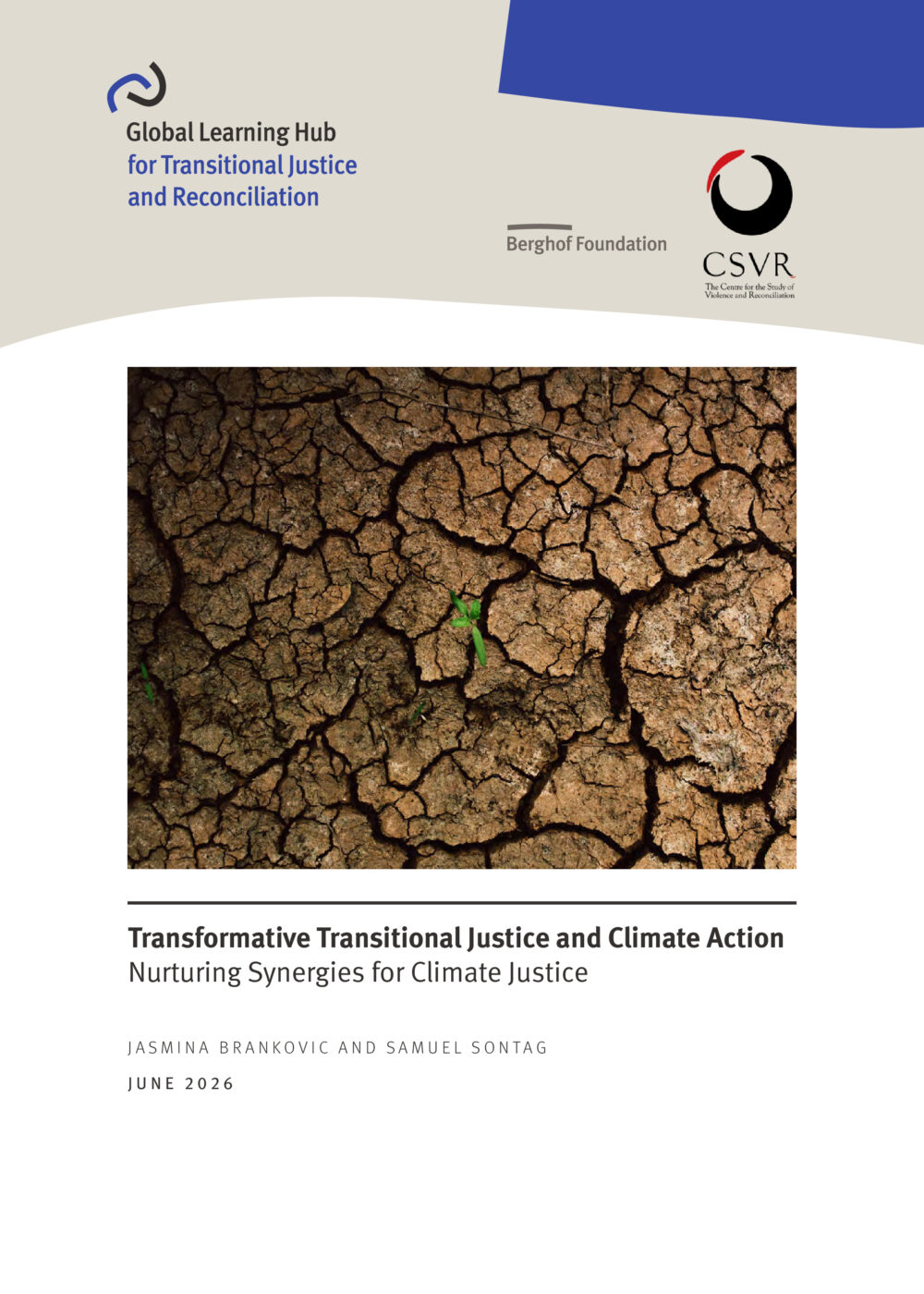
In a new publication series, our Global Learning Hub for Transitional Justice and Reconciliation examines how transformative transitional justice can offer an innovative analysis of local climate actions and harness their potential to advance more responsive climate justice.
Transitional justice traditionally addresses legacies of serious human rights violations through the four interconnected pillars: truth-telling, reparations, accountability, and guarantees of non-recurrence. Transformative approaches broaden this framework by strengthening the agency of affected communities and tackling the root causes of violence and inequality. Applied to climate justice, this lens points towards an integrated practice that draws on all four pillars whilst combining backward- and forward-looking measures to mitigate and prevent future climate harms.
The research identifies several entry points within the global climate framework for advancing climate justice. These include the potential contribution of the Intergovernmental Panel on Climate Change’s assessment reports on truth-telling, the role of the United Nations’ Loss and Damage architecture in supporting reparations, and strategic climate litigation as an instrument to strengthen accountability. Understanding these mechanisms as leverage points opens new pathways towards a more transformative global climate justice ecosystem.
Communities leading the way
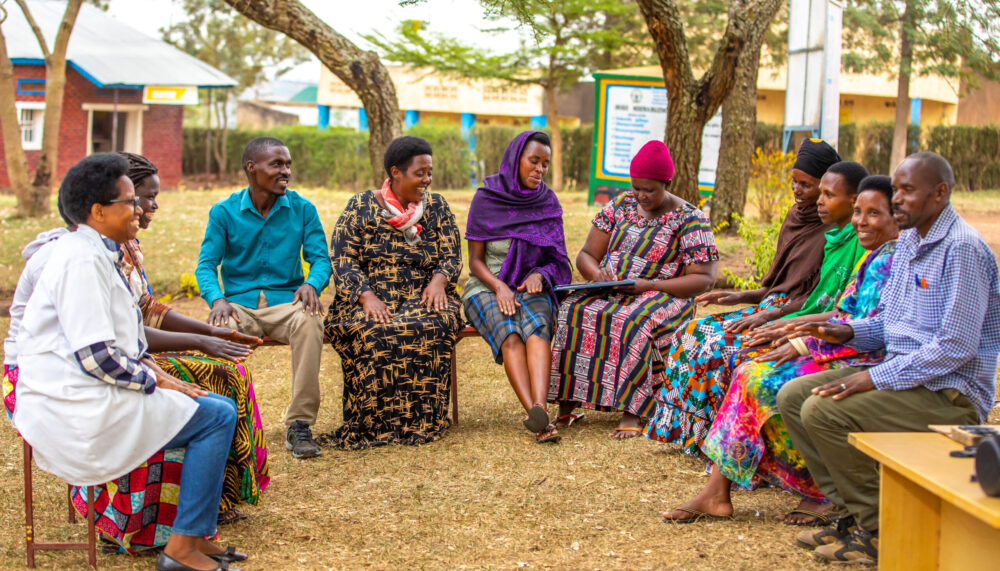
Drawing on participatory research with affected communities, the studies highlight the irreplaceable role of community-based climate action and reveal the full complexities of climate harms and their intersection with other conflict and violence related injustices.
In Mindanao, the Philippines, communities described daily experiences of climate-related harm that are inseparable from ongoing injustices and inequalities rooted in colonial dispossession, state-sponsored extraction, and post-conflict marginalisation. Their experiences demonstrate that responses to climate disasters cannot be separated from the resolution of historical land-based injustices and legacies of colonial displacement that perpetuate communal vulnerability. Community-led climate actions in the region fuse transitional justice elements – truth-telling, reparations, and guarantees of non-recurrence – in ways that challenge institutional silos between post-conflict and environmental governance. The research underscores that institutional frameworks must acknowledge and engage with such integrated community-based approaches, rather than displacing local agency with top-down technical solutions. The Bangsamoro Transitional Justice and Reconciliation Act of 2025 represents a significant opening for advancing such integration.
In Nkhulambe, Malawi, residents have developed community-led measures that address past climate harms whilst strengthening solidarity to reduce the risks of future climate events. These initiatives can be understood as climate-focused transformative transitional justice in practice: combining backward- and forward-looking measures such as truth-telling and memorialisation with efforts for adaptation and harm prevention. Such community-level actions have the potential to complement and strengthen national and international frameworks, making them more inclusive, more responsive to community needs, and more conducive to more equitable climate action.
Across diverse contexts, these cases reveal the potential of community-driven climate action – viewed through a transitional justice lens – to advance equitable, locally grounded approaches to the global climate crisis. Watch the recording of our launch event to find out how practitioners from the transitional justice and climate justice fields can unlock this potential by building trust in locally led solutions, prioritising local ownership, and actively bridging community and institutional perspectives. Contextualised assessments of intersectional harms, local knowledge on integrated responses, and community claims for redress should all inform the work of the global climate institutions.
Media contact
You can reach the press team at:
+49 (0) 177 7052758
email hidden; JavaScript is required