BLOG POST | 11 Sept 2026
Rethinking local governance in Yemen

Improved central-local relations are crucial for any future peace process in Yemen.
By Katharina Jautz
Under the slogan “take your mattress to the street”, citizens of Aden were sleeping in the middle of the road this summer. Others blocked strategic routes by burning tyres to protest the lack of electricity. In the past months, residents were lucky when they got two hours of electricity a day in the unbearable summer heat.
Electricity is not their only concern: water networks, sewage systems, street cleaning, and garbage collection are also not consistently available in Aden and beyond. As basic services remain often unreliable, Yemeni citizens’ frustration is growing.
Since taking office in February, the new government has taken several measures to address the situation. It has sought to streamline governance and security by placing them under one leadership in areas under its control, while promising to improve living conditions. It has also driven important economic reforms aimed at enhancing the economic and financial situation.
Overlapping competencies of local and central authorities
While these efforts may show results in the medium term, in the short term, local authorities continue to step in where the central government has been unable to provide. Often with support of international donors, and in some cases the Yemeni private sector, they have pursued ad hoc fixes for the most pressing local needs: rehabilitating water networks, renovating schools, and building or upgrading health centres. At the same time, local authorities have come up with economic development plans for their governorate, which outline their needs and opportunities, demonstrating their ambition and capacity to govern responsibly.
Unfortunately, these parallel efforts at central and local levels are sometimes in tension. Governorates with their own natural resources, such as Hadhramawt or Marib, have retained some or all their revenues rather than transferring them to the central level, allowing them to cover their substantial needs, while prompting criticism from the cash-strapped central government. Other governorates complain that budget allocations they are supposed to be receiving from the central government have not been received in years. In recent weeks, disputes have also emerged in Aden and Lahj over political appointments and which level of government has the authority to make them.
Rather than acting as partners in the country’s development, the two levels have increasingly become competitors for power and resources. Competencies are disputed and while the state pushes for greater oversight and control of funds, governorates complain that they are not receiving the support they need.
Need for constructive dialogue and cooperation
More dialogue between central and local levels is essential. Meetings between governors and the Ministry of Local Administration, for example, take place only when funding is available and, at best, once a year.
There is also a need to agree on the rules of the game. Should the government strive to restore the level of centralisation that existed prior to the outbreak of the war, more than a decade ago? Would governorates agree? Should Local Authority Law No. 4 of 2000 be fully implemented, with laws and practices that contravene it being eliminated? Or should more of the de facto arrangements that have emerged in the last few years be formalised and regularised? How can a state that remains legally highly centralised, but contends with high levels of de facto decentralisation, function better?
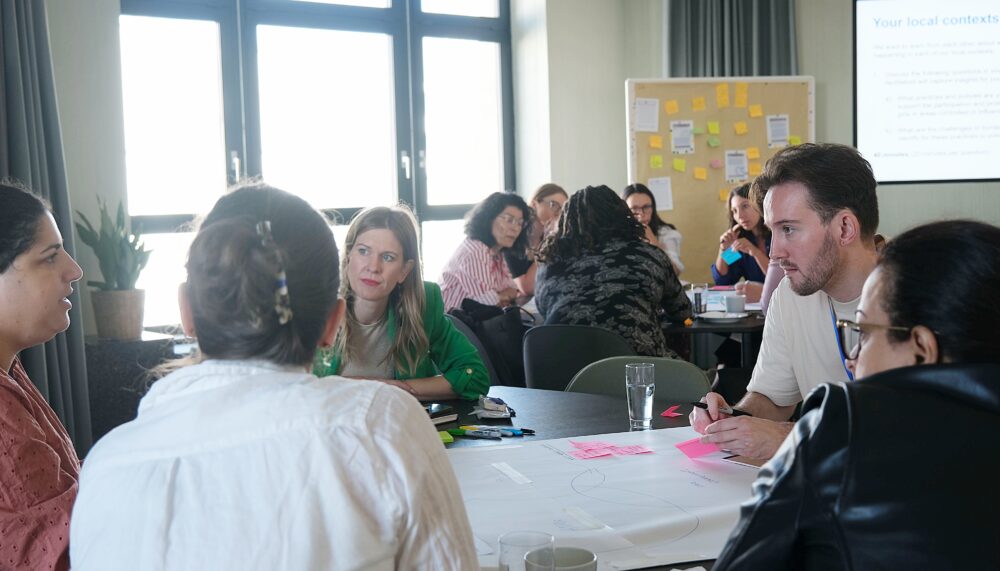
The recent ‘National Conference for Partnership and Integration’, held in Aden in mid-June 2026, was a first step towards addressing these questions and launching a more constructive dialogue. It was organised by the Ministry of Local Administration with political backing from the President of the Presidential Leadership Council and the Prime Minister, with support from the Berghof Foundation and our local partner, the Political Development Forum.
The conference built on a survey examining key challenges and overlaps between the central and local levels in judicial and administrative affairs, development, resources and finance, as well as two preparatory workshops involving relevant line ministries and technical experts from the governorates. It aimed at identifying areas of existing agreement and outstanding differences. Participants recommended establishing a Higher Joint Coordination Council to continue the dialogue and develop an implementation framework that is realistic, sustainable, and workable for both sides.
The conference also highlighted that substantial disagreements around the relationship between the central and local authorities remain, with some ministries raising fundamental objections to the proposed reform agenda.


Coherent and effective governance is essential for peace
Agreement on revenues and other core issues will likely require more sustained dialogue between central and local authorities in the months and years ahead. All sides agree that such a process is necessary. However, it will require greater trust as well as recognition that decentralisation can ultimately benefit both the central government and local authorities. More coherent and effective governance, and a state capable of delivering basic services will also be needed to make any potential peace agreement stick.
After all, political discussions should remain focused on what matters most: easing citizens’ hardship and improving basic services. If the image of people taking their mattresses to the streets during Aden’s summer heat remains in the minds of decision-makers, it may help keep the process constructive and focused on tangible results.
Media contact
You can reach the press team at:
+49 (0) 177 7052758
email hidden; JavaScript is required