Search Results
Peace Mediation and Transitional JusticeKey Lessons for Practitioners
The 2023 EEAS Peace Mediation Guidelines highlight the importance for mediators to engage with transitional justice frameworks. Experience shows that when transitional justice is sidelined as a purely post‑conflict issue, peace agreements often lack legitimacy and public acceptance. Sustainable peace therefore depends on addressing the legacy of past violence through appropriate transitional justice approaches.
This paper argues that transitional justice encompasses a wide range of judicial and non‑judicial mechanisms that, if carefully sequenced and contextually adapted, can be constructively integrated into peace mediation.
- Year 2026
- Author(s) Luxshi Vimalarajah, Charlotte Hamm

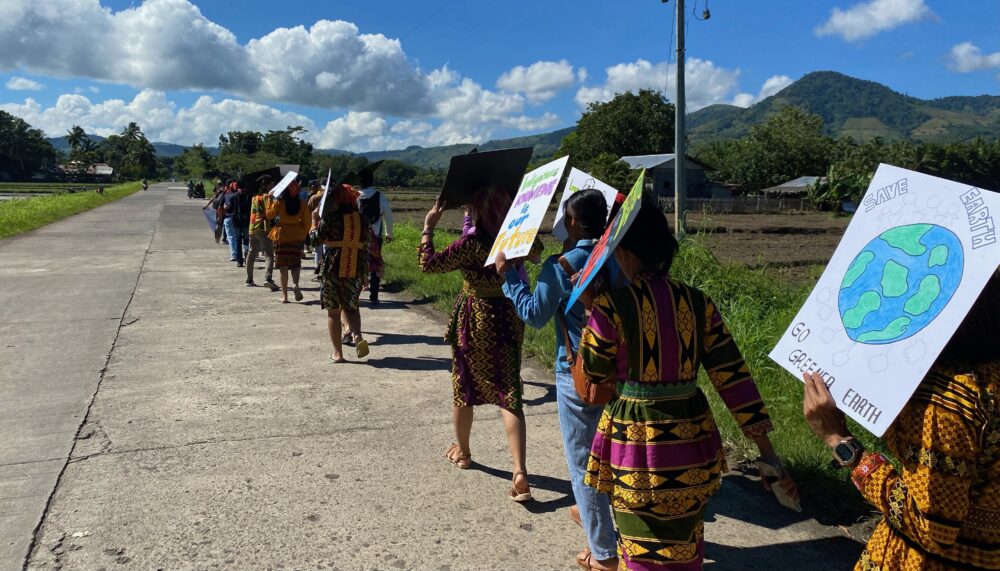
Video: Rethinking climate justiceCommunity climate action in Malawi and the Philippines from a transformative transitional justice lens
Watch the event recording to learn more how local climate action in Malawi and Mindanao in the Philippines contributes to advancing climate justice from below.
- event 3 Jun 2026

DEEP
In Europe’s climate of distrust, DEEP examines emotional drivers of disinformation among 18-25-year-olds, using “deep stories” to go beyond traditional fact-checking.
- Current Project
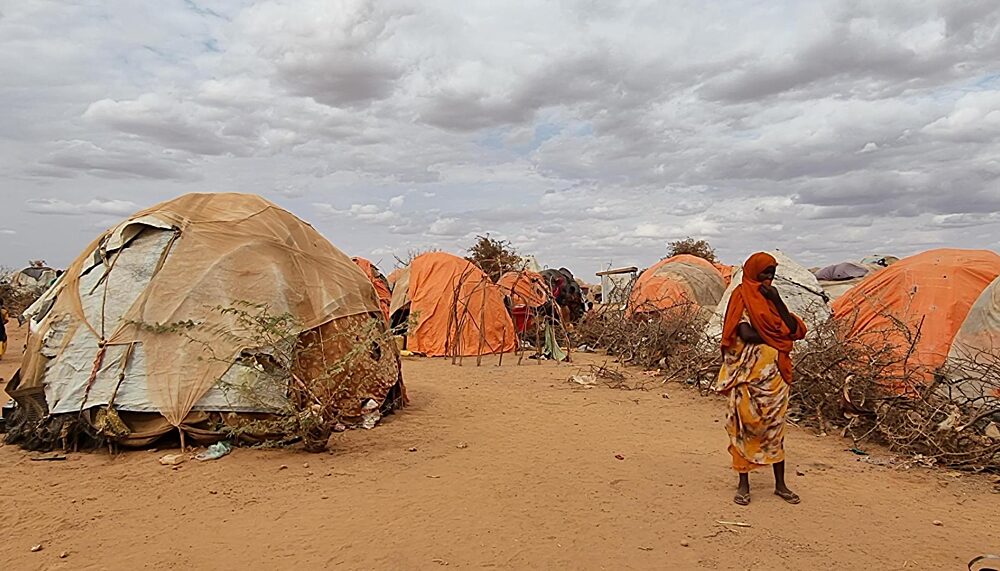
Lessons on climate, environment, peace, and security
Across Iraq, Yemen, and Somalia, environmental pressures shape conflict and cooperation. Read the three lessons from our programming on environmental peacebuilding.
- blog post 21 May 2026
- Author(s) Nazanine Moshiri

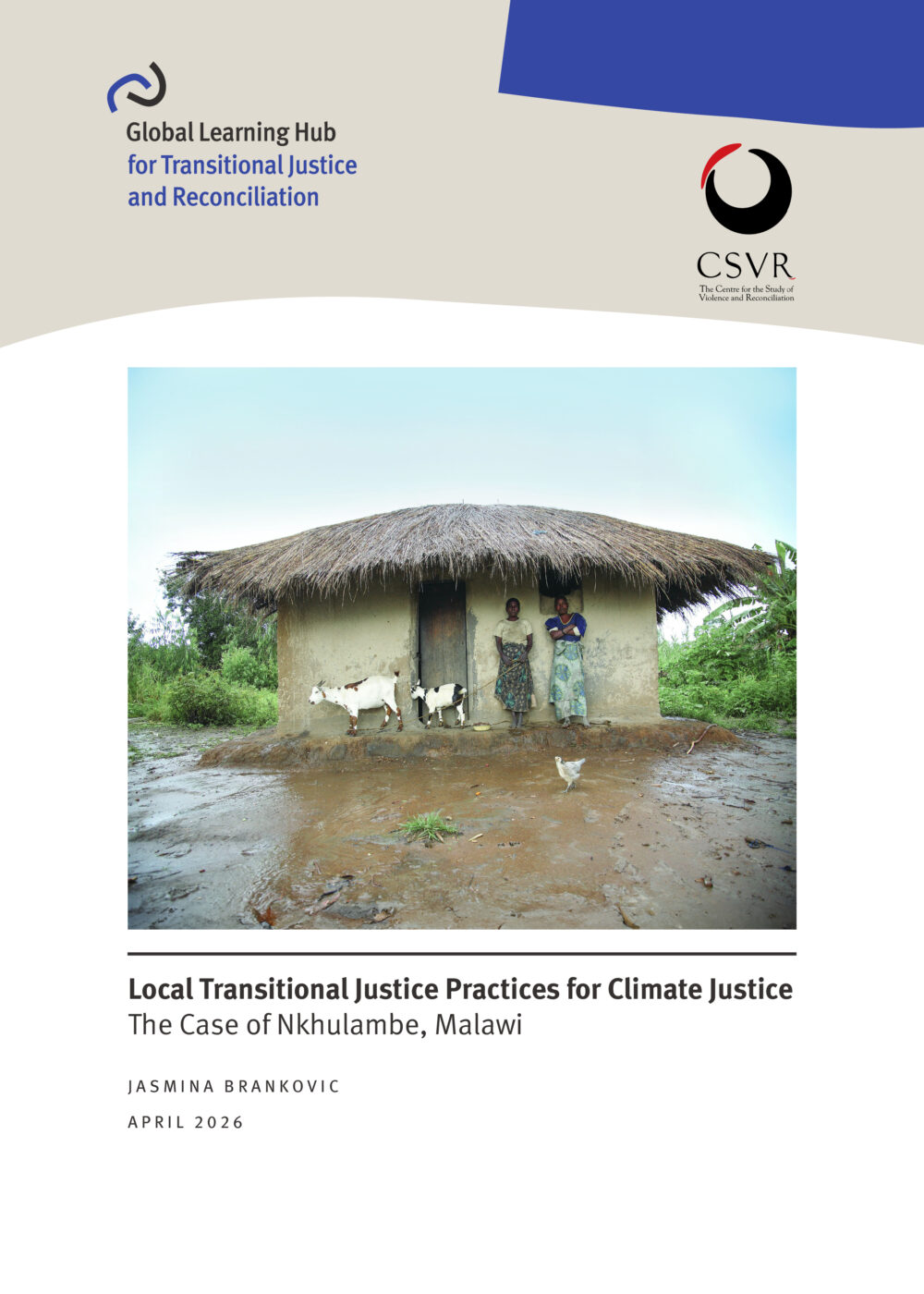
Local transitional justice practices for climate justiceThe case of Nkhulambe, Malawi
This paper explores the intersection of climate justice and transitional justice through the case study of community-level engagements with climate change in the rural area of Nkhulambe, Malawi. It shows that residents have developed their own climate responses that tackle more fully the manifold climate harms they have experienced than top-down climate responses to date. These community-led measures address climate harms which occurred in the past, while building solidarity in the present, in order to prevent and reduce the harms of future climate events, as such they can be understood as climate-focused transformative transitional justice in practice. Moreover, they have the potential to complement and strengthen top-down national and international efforts, making them more inclusive and responsive to communities affected by climate harms, as well as opening the door to more equitable climate action.
- Year 2026
- Author(s) Jasmina Brankovic
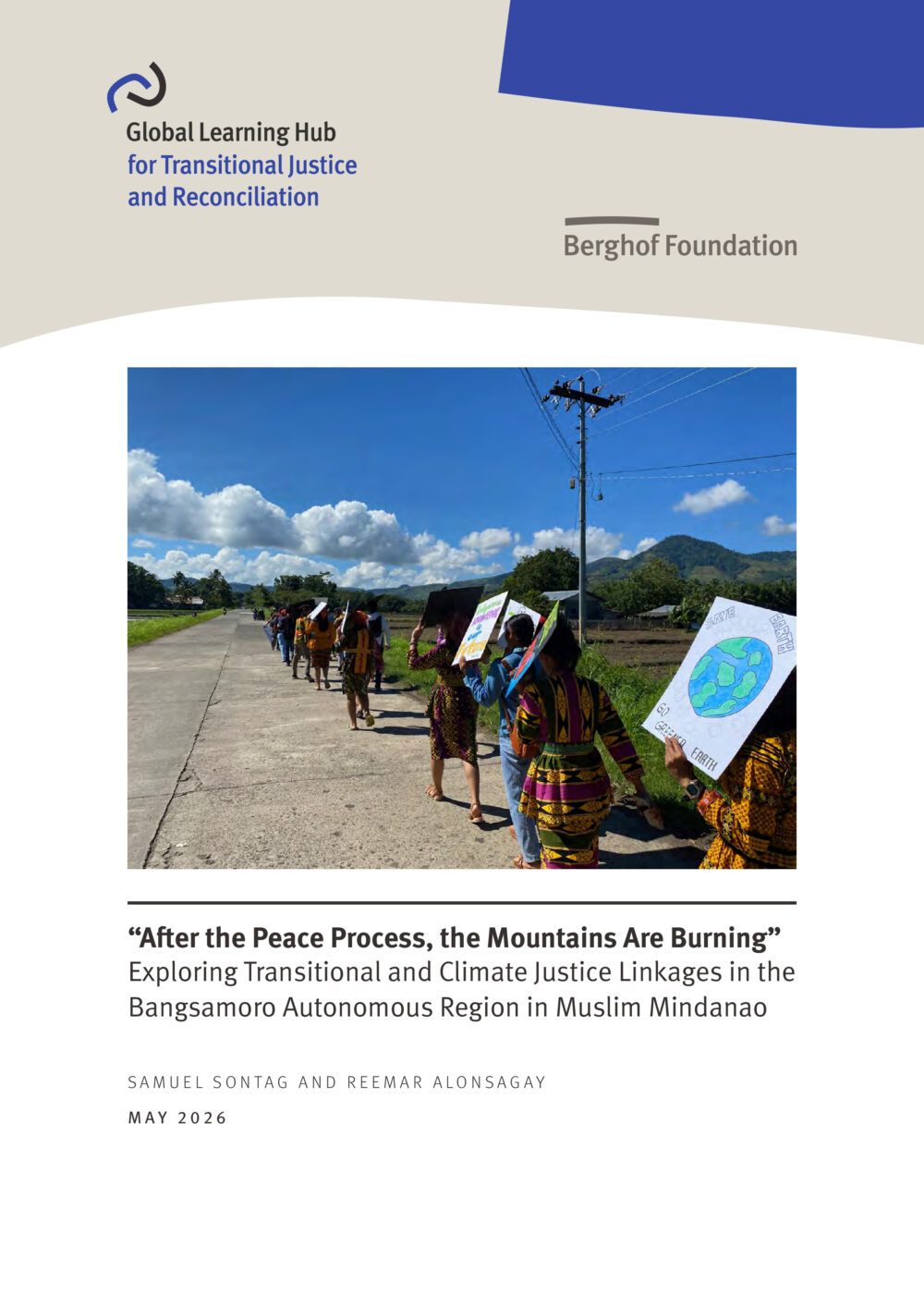
After the peace process, the mountains are burningExploring transitional and climate justice linkages in the Bangsamoro
This paper explores the intersection of climate justice and transitional justice through the case study of community-level climate initiatives in the Bangsamoro Autonomous Region in Muslim Mindanao (BARMM), Philippines. It identifies community-led climate actions that fuse transitional justice elements of truth-telling, reparative agency, and guarantees of non-recurrence in ways that challenge institutional silos between post-conflict and environmental governance. The findings demonstrate that addressing climate disasters in the BARMM is inseparable from resolving the historical land-based injustices and colonial displacement that created communal vulnerability. The study concludes that institutional frameworks must recognise and support community-led climate justice rather than displacing local agency with top-down technical solutions, and identifies the Bangsamoro Transitional Justice and Reconciliation Act of 2025 as a critical institutional opening for this integration.
- Year 2026
- Author(s) Samuel Sontag, Reemar Alonsagay
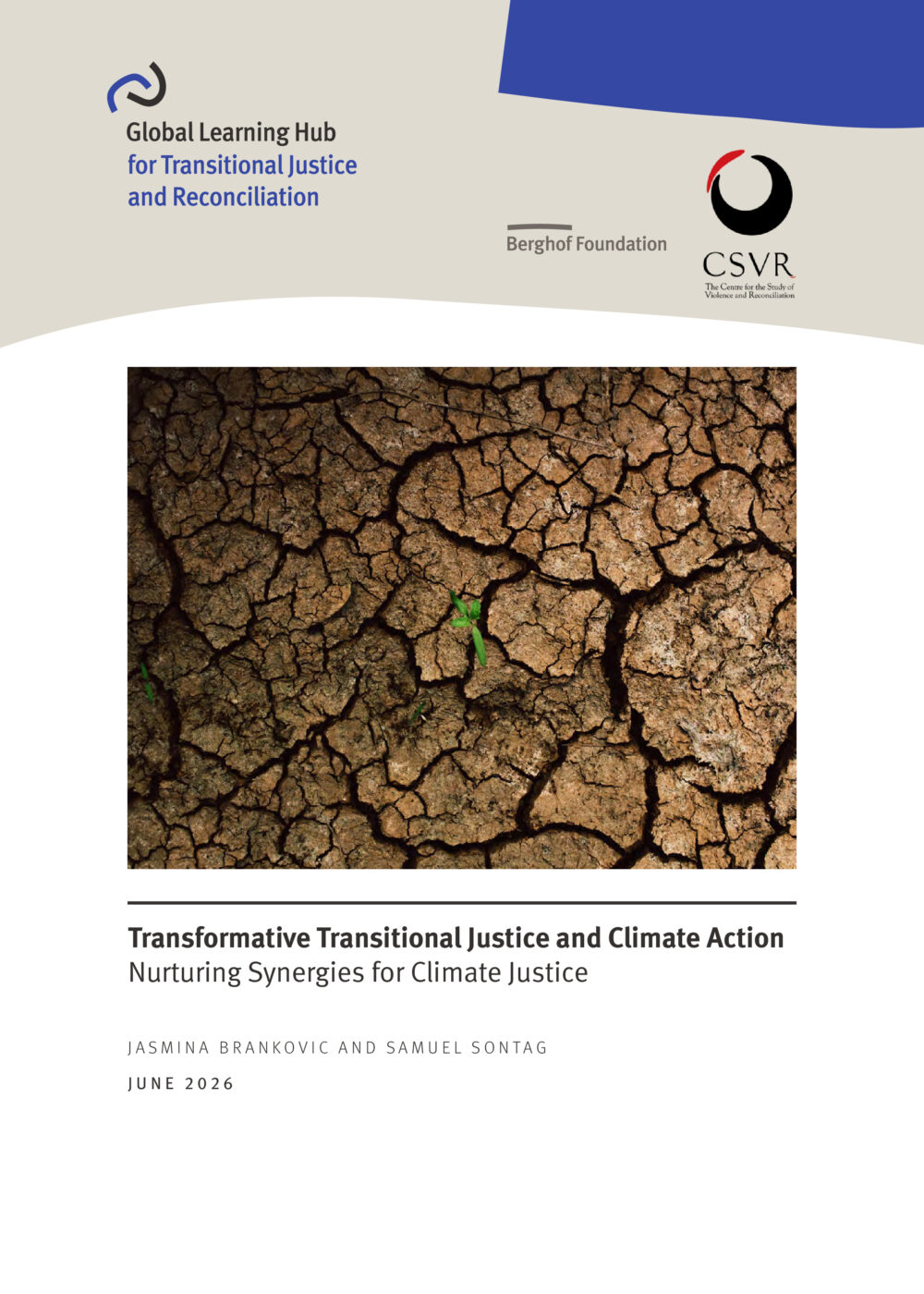
Transformative transitional justice and climate actionNurturing synergies for climate justice
In the face of rapidly escalating but unevenly distributed harms, global climate governance is struggling to prevent catastrophic warming while addressing growing demands for climate justice. This paper proposes transformative transitional justice as a lens through which to identify two sources of climate justice action: elements of justice latent within climate policy architectures, and community justice actions too often overlooked by formal institutions. It identifies ways to connect these institutional and community-level elements into a broader, multi-level justice ecosystem.
- Year 2026
- Author(s) Jasmina Brankovic, Samuel Sontag