CURRENT PROJECT
DEEP: Unveiling deep stories and boosting emotional intelligence to empower citizens against disinformation
In Europe’s climate of distrust, DEEP examines emotional drivers of disinformation among 18-25-year-olds, using “deep stories” to go beyond traditional fact-checking.
Timeframe: 2026 - 2028
In an era marked by emotional manipulation and growing distrust, DEEP addresses the emotional drivers that underpin disinformation. Designed for young people aged 18–25 in Bulgaria, Germany, Lithuania, Poland, Romania and Serbia, DEEP goes beyond fact-checking by introducing an innovative method based on analysing so-called “deep stories”.
DEEP strengthens media literacy and emotional intelligence, empowering young people to recognise and resist emotionally charged misinformation and disinformation. By mapping emotionally resonant narratives and participating in co-creation workshops, young people design interventions grounded in their lived experiences and emotional realities, enabling them to actively counter disinformation. Educators, youth workers and civil society organisations benefit from replicable tools, while policymakers receive recommendations how to combat disinformation informed directly by young people.
The project promotes democratic participation among young people, including those from marginalised groups, by fostering emotional resilience and trust in institutions. It advances gender equality and non-discrimination through encouraging inclusive participation and collecting disaggregated data. Institutional stakeholders are engaged throughout the project to develop context-sensitive and scalable strategies to counter manipulation.
Overall, DEEP will directly reach more than 900 young people, citizens and stakeholders. The project aims to develop a cross-national framework based on the Deep Story approach to strengthen emotional intelligence, awareness, and critical thinking in response to disinformation, thereby fostering democratic resilience across Europe. In doing so, the project empowers citizens to recognise and reject disinformation and to actively contribute to a more resilient, inclusive and emotionally aware Europe.
Background
In the context of an “infodemic”, as defined by the WHO, and the post-truth era, the project focuses on the deeper emotional roots of disinformation. Moving beyond traditional fact-checking, it uses the analysis of “deep stories” to gain a better understanding of how emotionally driven narratives shape beliefs and perceptions.
Project activities
2026:
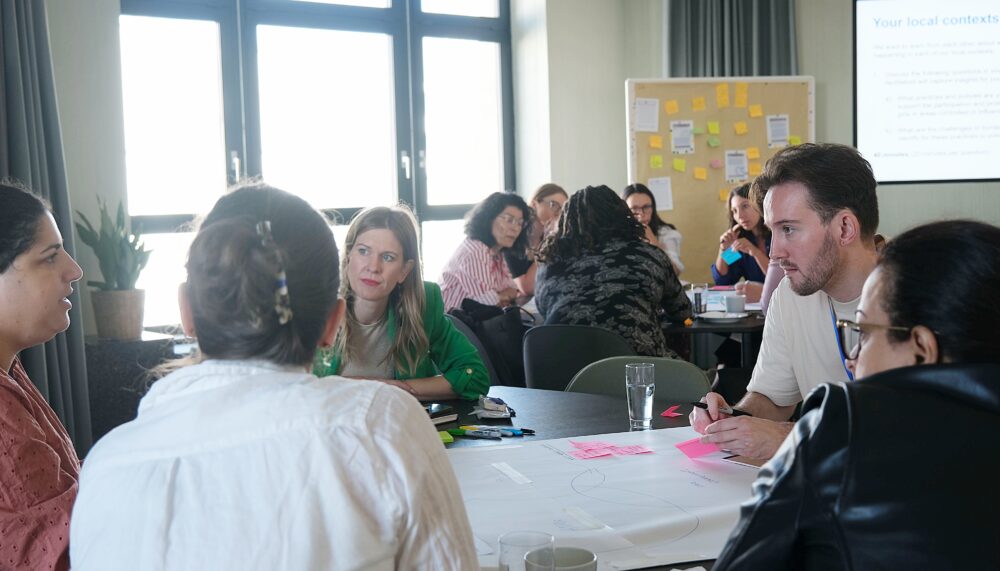
- Firstly, we will map “deep stories” in Germany, focusing on key topics such as climate change, minority rights, the war in Ukraine and social inclusion. This will be done through focus group discussions with young people holding different political views, with particular attention to disinformation dynamics and emotional patterns.
- Secondly, a citizen-centred co-creation workshop will be organised at the national level.
2027:
- Thirdly, an impact evaluation will be developed to assess the effectiveness of the interventions implemented in all participating countries through data collection.
Partners & funding
The DEEP project is coordinated by ASM Research Solutions Strategy Spolka z Ograniczona Odpowiedzialnoscia (ASM). The consortium brings together a diverse group of partners from across Europe.
In Poland, the project collaborates with Uniwersytet Wroclawski. Bulgaria is represented by the Center for the Study of Democracy and the Ministerstvo na Mladezhta i Sporta. In Serbia, the partner organization is Fondacija Centar za Demokratiju. Romania is represented by Asociatia GEYC, while Lithuania is represented by Asociacija Mano Europa.
The project is funded by the European Union.
Project lead
Nicole Rieber
Head of Unit
email hidden; JavaScript is required
Team members
Media contact
You can reach the press team at:
+49 (0) 177 7052758
email hidden; JavaScript is required