6 Oct 2026
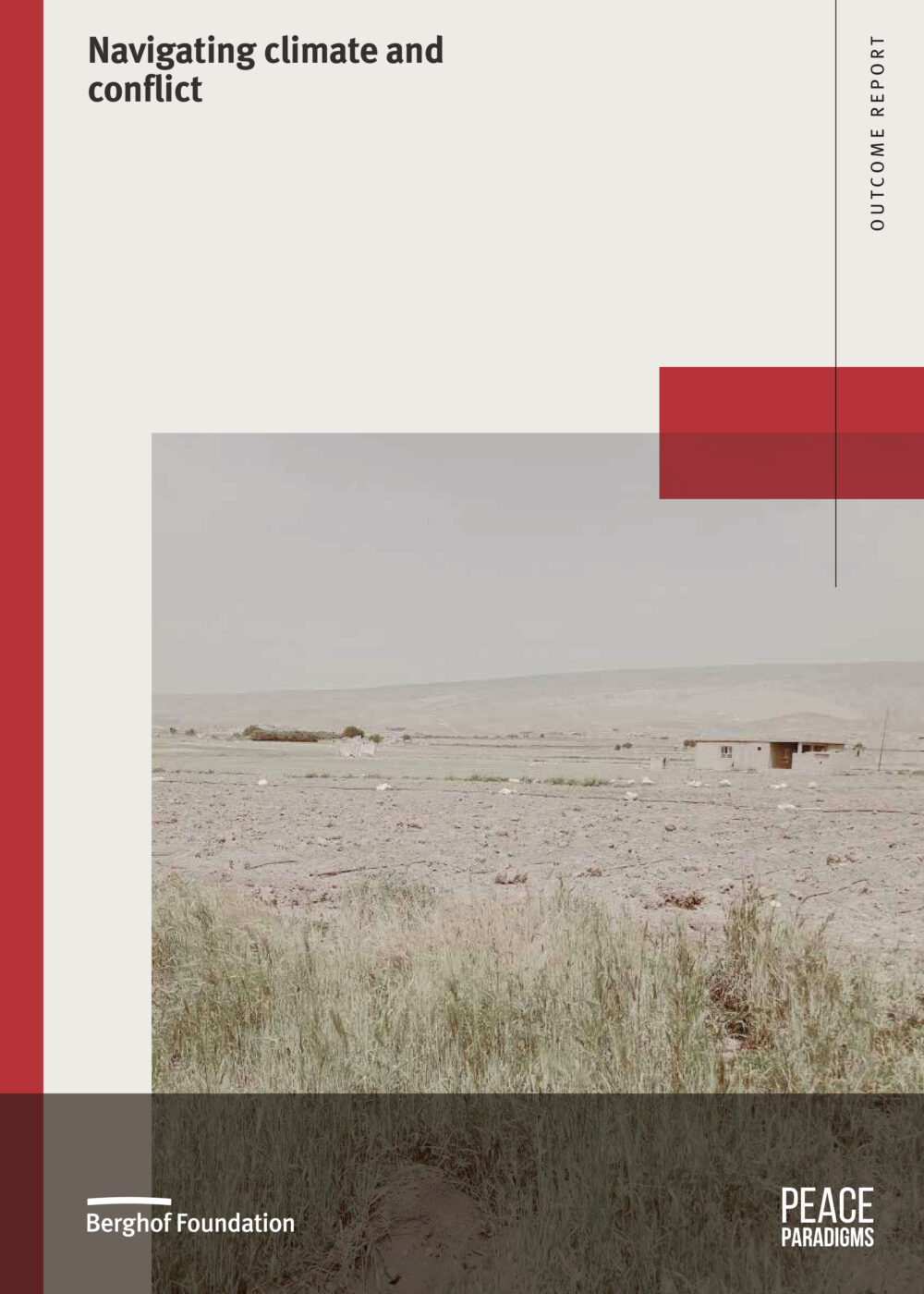
The role of inclusion in the climate-conflict nexus in Iraq
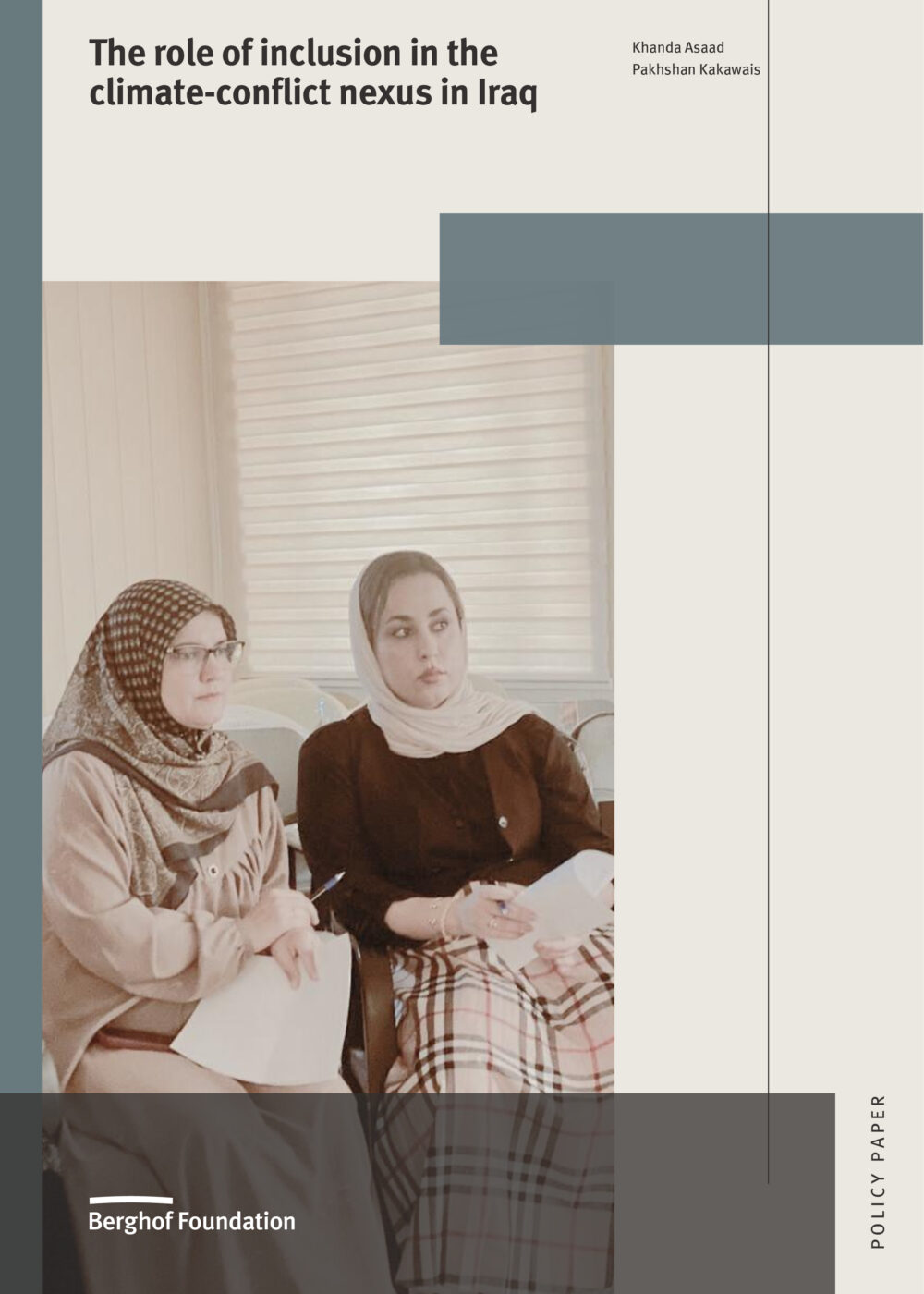
Climate change is intensifying pressures on communities across Iraq. Water scarcity, livelihood disruption, displacement and environmental degradation are affecting social relations and increasing pressures on already vulnerable communities. Focusing on Kalar, Hawija and Al-Midaina, the study examines how these climate-related pressures interact with conflict and social dynamics, with particular attention to their differentiated impacts on women and men. The analysis highlights women’s often-overlooked contributions to informal mediation, household resource management and efforts to prevent disputes over scarce resources, while also identifying their limited participation in formal decision-making on climate adaptation, natural resource management and conflict prevention. The report presents key findings and recommendations for strengthening women’s leadership and integrating climate adaptation, livelihoods, psychosocial wellbeing and conflict prevention to build community resilience.
Authors
Khanda Assad, Pakhshan Kakawais
Thanks for your interest
If you find this publication useful, please consider making a small donation. Your support enables us to keep publishing.