FEATURE | 17 Sept 2026
International Day of Peace 2026: The small steps that make peace possible
This International Day of Peace, voices from Uganda, Catalonia, and Colombia reveal how trust, dialogue, and persistence lay the groundwork for lasting peace.
Every year on 21 September, the United Nations marks the International Day of Peace, bringing people around the world together to reflect on the importance of building and sustaining peace. This year’s theme, “Invest in Peace: For Everyone, Everywhere, Every Day”, highlights the importance of investing in the people and processes that make peace possible. It highlights the role of the “everyday architects of peace”, the people who build relationships, bridge divides and lay the foundations for lasting peace within their communities.
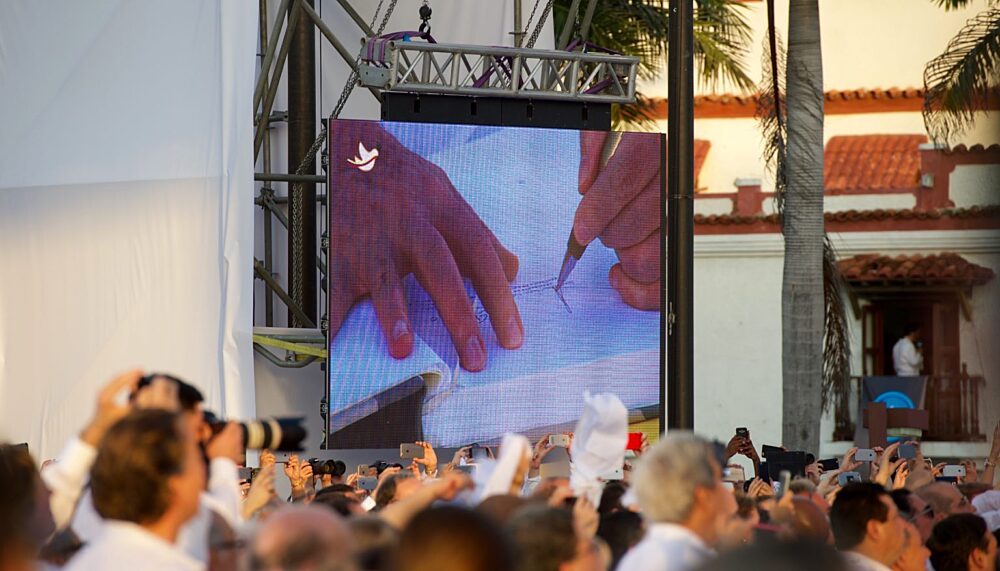
This refelcts the reality of peace processes. Peace is rarely achieved through a single agreement or one defining moment. It is the process leading to it, and the work that follows, that determines whether peace can endure. Behind every agreement are countless interactions and decisions that rarely make the headlines: a meeting in which someone chooses to listen, a channel of communication that remains open during a crisis, or a trusted individual who can engage people across divides. These incremental advances can, over time, create the conditions for formal negotiations and agreements to take place.
This is where insider mediators can play a crucial role. Embedded within the societies and contexts affected by conflict, they bring a deep understanding of local relationships, dynamics and concerns. Their proximity and credibility enable them to engage with actors and communities who may be difficult for external mediators to reach, helping to build trust, open channels of communication and create opportunities for dialogue. Much of this work takes place away from the spotlight, yet it can be essential to sustaining communication and creating the conditions for progress.
As part of this year’s International Day of Peace campaign, mediators and peacebuilders from Uganda, Catalonia, and Colombia reflect on their experiences of peace processes and the steps that preceded formal agreements. Their experiences highlight the importance of the less visible stages of peace processes, including the conversations, compromises and acts of persistence that gradually build the confidence needed for progress.
Monsignor Hector Fabio Henao, Delegate for Church-State Relations of the Colombian Bishops’ Conference, played an important role in Colombia’s peace process and discusses the importance of working directly with local actors affected by conflict, building trust through dialogue, and recognising that meaningful peace takes time.
Stella Sabiiti is an Ugandan peacebuilder and mediator. She reflects on her role in insider mediation, where trusted relationships and a deep understanding of the parties can create space for dialogue and help overcome obstacles.
Former President of Catalonia Pere Aragones addresses the importance of being realistic about demands, celebrating small wins along the way and maintaining confidence throughout the process.
Our Executive Director Chris Coulter highlights that while signing an agreement marks an important transition, its lasting impact depends on what happens next, from putting commitments into practice to maintaining dialogue.
Media contact
You can reach the press team at:
+49 (0) 177 7052758
email hidden; JavaScript is required