FEATURE | 29 Jan 2026
What makes transitional justice transformative?
Insights from practitioners
Read about lessons learned and recommendations from our practitioners’ conference.
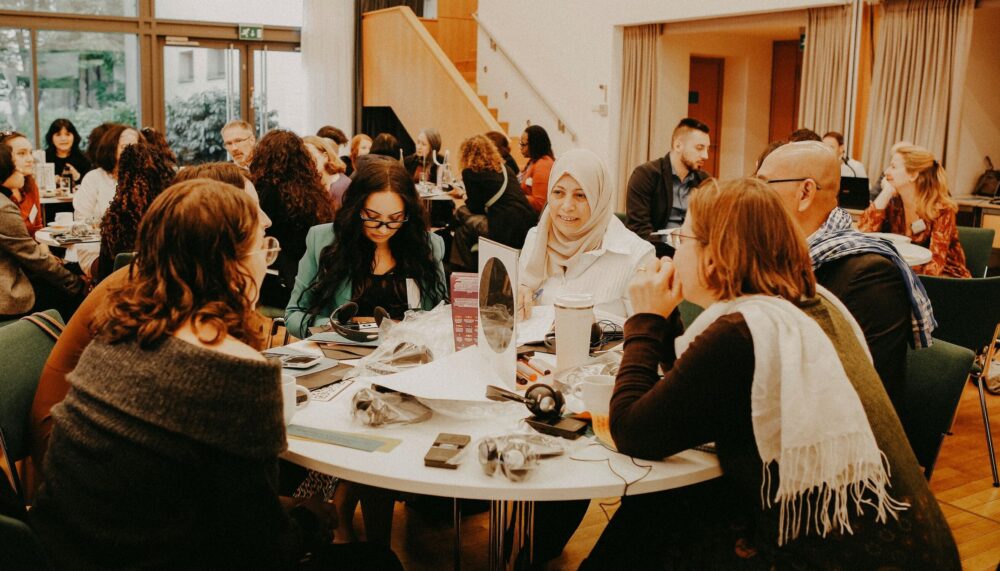
Our Global Learning Hub for Transitional Justice and Reconciliation brought together around 80 participants from nearly 40 countries for two days of intensive exchange at their second practitioners’ conference on transformative transitional justice. What emerged most clearly from the discussions was not only the growing relevance of transformative approaches to dealing with past violence, but also the importance of creating spaces where practitioners can connect, support each other and collectively develop strategies to overcome challenges. In a global environment marked by democratic backsliding, shrinking civic space and persistent human rights violations, such spaces are becoming increasingly necessary.
Providing space for exchange among practitioners
Conference participants repeatedly emphasised the value of having a trusted space in which they could openly share challenges, learn from one another’s experiences, and find renewed motivation. This sense of solidarity was not incidental; it resulted from a deliberate methodological choice to focus on horizontal collaboration. The conference design prioritised interaction over instruction, recognising practitioners themselves as the primary source of knowledge. One of the most appreciated elements, the ad hoc peer consultation sessions, demonstrated the resourcefulness and creativity of peer-to-peer advice on real‑world challenges. Across the different formats, a shared understanding emerged that practitioners play a crucial role as facilitators and bridge-builders between affected communities and state actors at multiple levels.
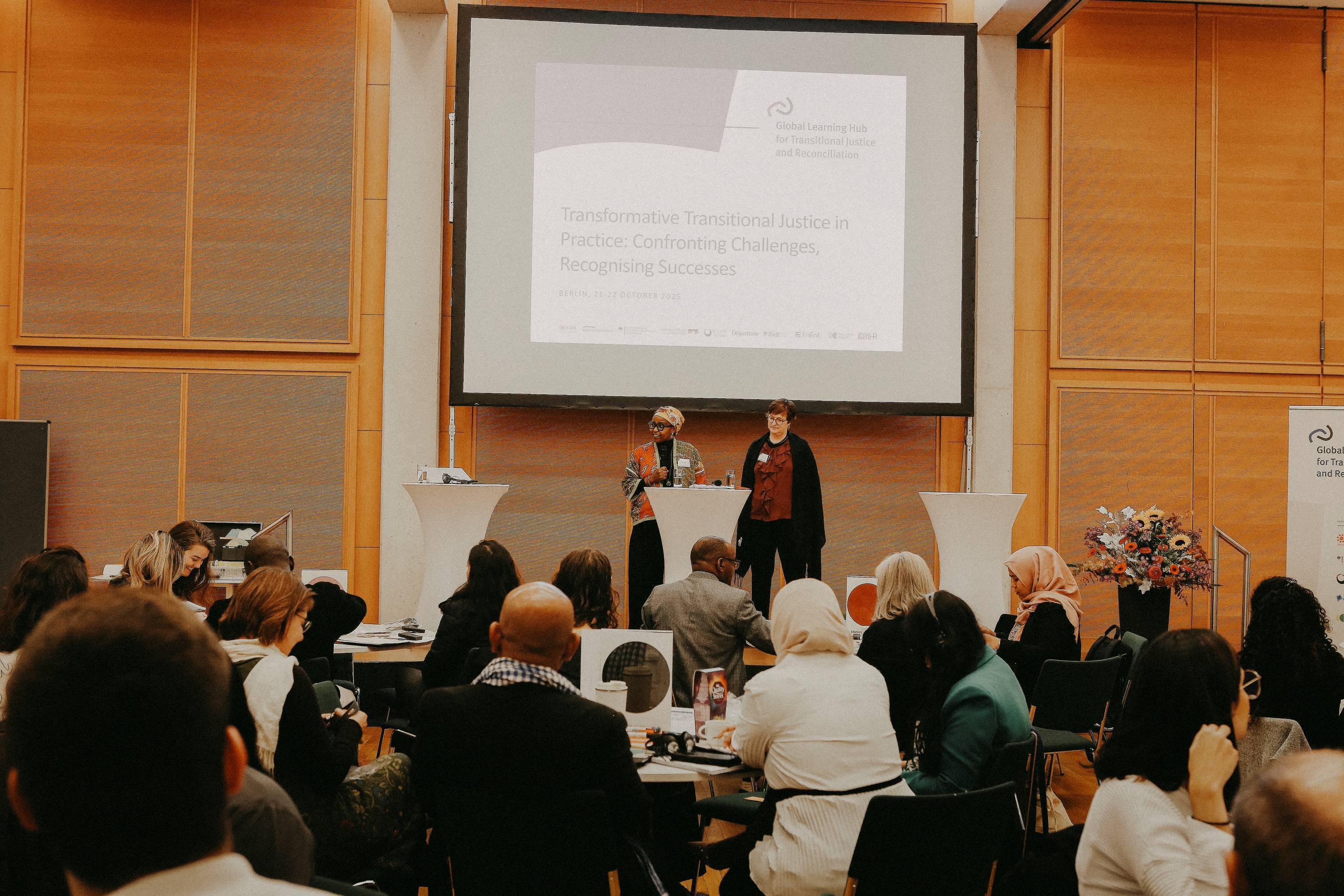





The conference underscored why transformative approaches to transitional justice are gaining traction across diverse contexts. Discussions reaffirmed that conventional, mechanism‑driven ways of dealing with the past often fail to address the deeper social, economic and cultural root causes of violence. Transformative approaches, by contrast, are context‑specific, grounded in local resources and practices, and shaped by affected communities themselves. They view transitional justice as a long‑term, iterative process aimed at structural change rather than a short‑term sequence of reforms. This shift in perspective is increasingly seen as essential for building more inclusive, just and peaceful societies.
Key elements of transformative change
The participants identified several enabling conditions that can strengthen transformative transitional justice. While contexts differ, practitioners converged on a set of core elements that consistently support transformative change:
- Centring survivor agency, recognising that affected communities hold the voice, leadership and power to shape agendas and drive transformative change.
- Trauma‑sensitive participation, ensuring that survivors and affected communities can engage meaningfully and safely throughout processes.
- Strengthening community resilience and building trust at the local level, while bridging divides between local and national actors to create more sustainable processes.
- Context and cultural sensitivity, supported by solid risk assessments, to navigate complex political realities and make informed strategic choices.
- Building and sustaining multi‑actor alliances, grounded in transparent, equitable partnerships and the strategic use of international support.
- Adaptive learning, flexible programming and a shared sense of vision and solidarity, enabling practitioners to respond to evolving challenges while maintaining long‑term commitment.
These themes were explored in greater depth in four thematic workshops, which examined trauma‑sensitive intergenerational dialogue, the transformative potential of collective reparations, meaningful victim participation and the role of activism and social movements. Drawing on comparative case studies, participants developed concrete recommendations for policymakers and practitioners and identified areas where further research and reflection are needed.
Read more conference insights and find practical guidance, case examples, and a set of recommendations on transformative transitional justice in the full conference report.
Media contact
You can reach the press team at:
+49 (0) 177 7052758
email hidden; JavaScript is required