FEATURE | 5 Mar 2026
Towards safer engagement with women peacebuilders
Experts share psychosocial reflections for International Women’s Day
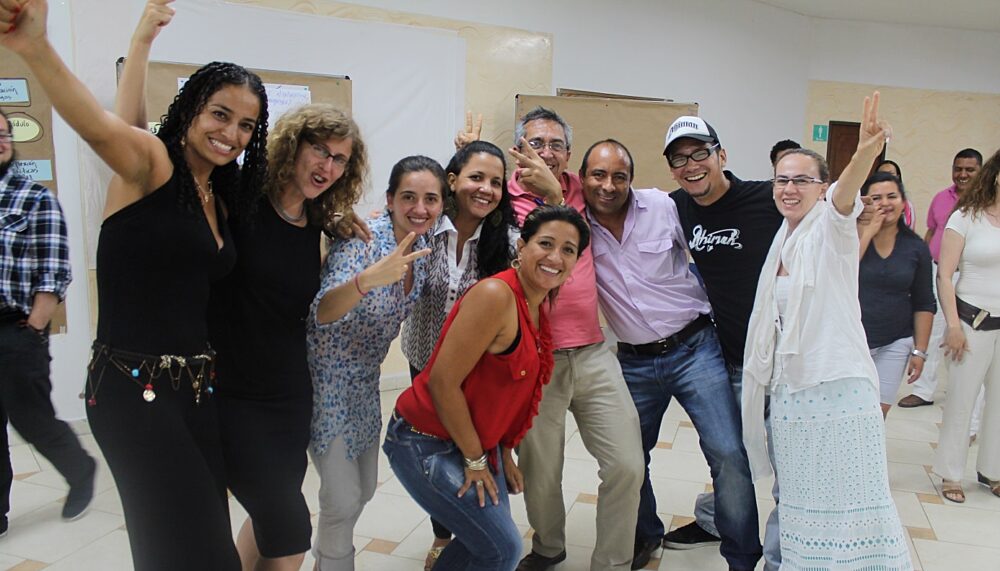
Women peacebuilders address how they navigate psychosocial risks and how a "Do No Harm" approach can support their wellbeing and meaningful participation.
On International Women’s Day, we highlight the vital yet often overlooked connection between women’s participation in peace processes and mental health and psychosocial support (MHPSS). Women who engage in peacebuilding confront significant psychosocial and security risks, including social stigma, intimidation, retraumatisation and threats to their personal safety. At a moment when renewed and protracted conflicts across the Middle East are reshaping lives and futures, the work of building peace is urgent. Yet women peacebuilders who drive inclusive dialogue and community healing often do so while carrying disproportionate risk and emotional strain.
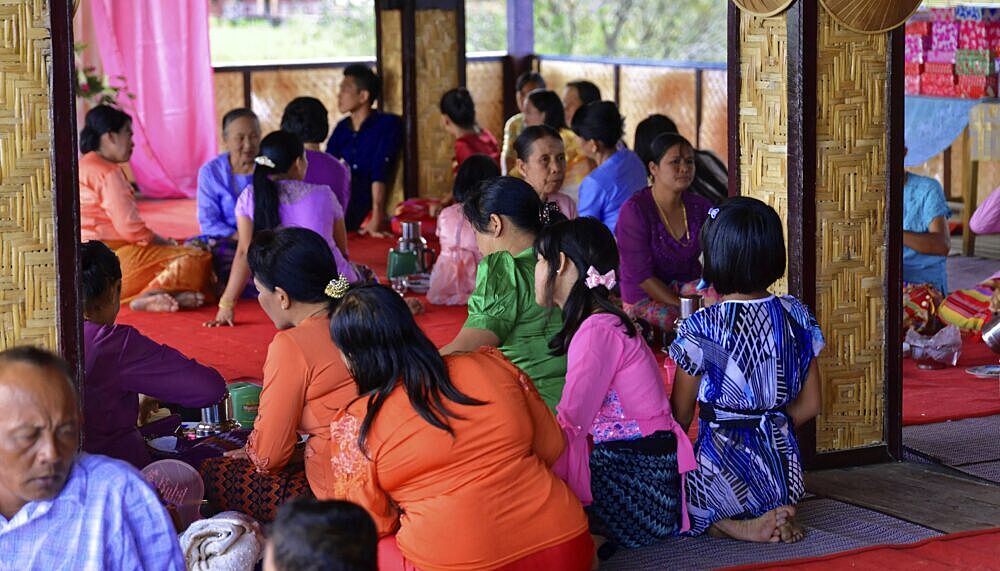
To deepen understanding of these challenges, we spoke with experts and practitioners from Myanmar to Lebanon and Colombia working at the forefront of peacebuilding and MHPSS. They reflect not only on the risks women face when participating in peace processes, but also on how programmes can be designed to avoid exacerbating these vulnerabilities or causing unintended harm.
Their insights underline that a meaningful “Do No Harm” approach must go further than risk mitigation alone. Strategies must be designed with and for women, rooted in their lived realities and experiences rather than imposed from the outside. They must be implemented through a gender-transformative approach that actively addresses structural gender inequalities, rather than leaving them intact. This includes recognising and reducing women’s disproportionate unpaid care burdens, which often limit their ability to participate safely and sustainably in peace processes. Embedding these principles in peacebuilding helps ensure that inclusion strengthens women’s wellbeing and agency, rather than reinforcing inequalities or creating further risk.
To dive into these topics further, watch the reflections below.
Our Executive Director Chris Coulter emphasises the need to put the wellbeing and protection of women at the centre of peace efforts to ensure their leadership can be exercised safely and effectively.
Fatima Hamiye is a peacebuilder who works with our colleagues in Lebanon and she sheds light on the need for women to take part in dialogue programmes that allow space for discussing how the war is affecting them mentally.
Agnes Mary, who is a MHPSS Specialist at Serenity Counselling and Mental Health Services in Myanmar, acknowledges how women peacebuilders often face threats, harassment and violence in their environments due to deep-seated gender norms.
Erika Ramirez speaks about her work with women ex-combatants with the German Agency for International Cooperation (GIZ) and the benefits of their community care systems in Colombia.
Esther Omam, Executive Director of Reach Out Cameroon, addresses why conducting a comprehensive risk and context analysis is essential for preventing the psychosocial risks women face during conflict.
MHPSS and Peacebuilding Advisor Anna Christopherson analyses why an inclusive and sensitive participatory approach can help address gender dynamics and psychosocial needs.
Media contact
You can reach the press team at:
+49 (0) 177 7052758
email hidden; JavaScript is required